The short answer
- Treat unproductive retching, a swelling belly, drooling and restlessness in a large dog as an emergency and drive to a vet straight away.
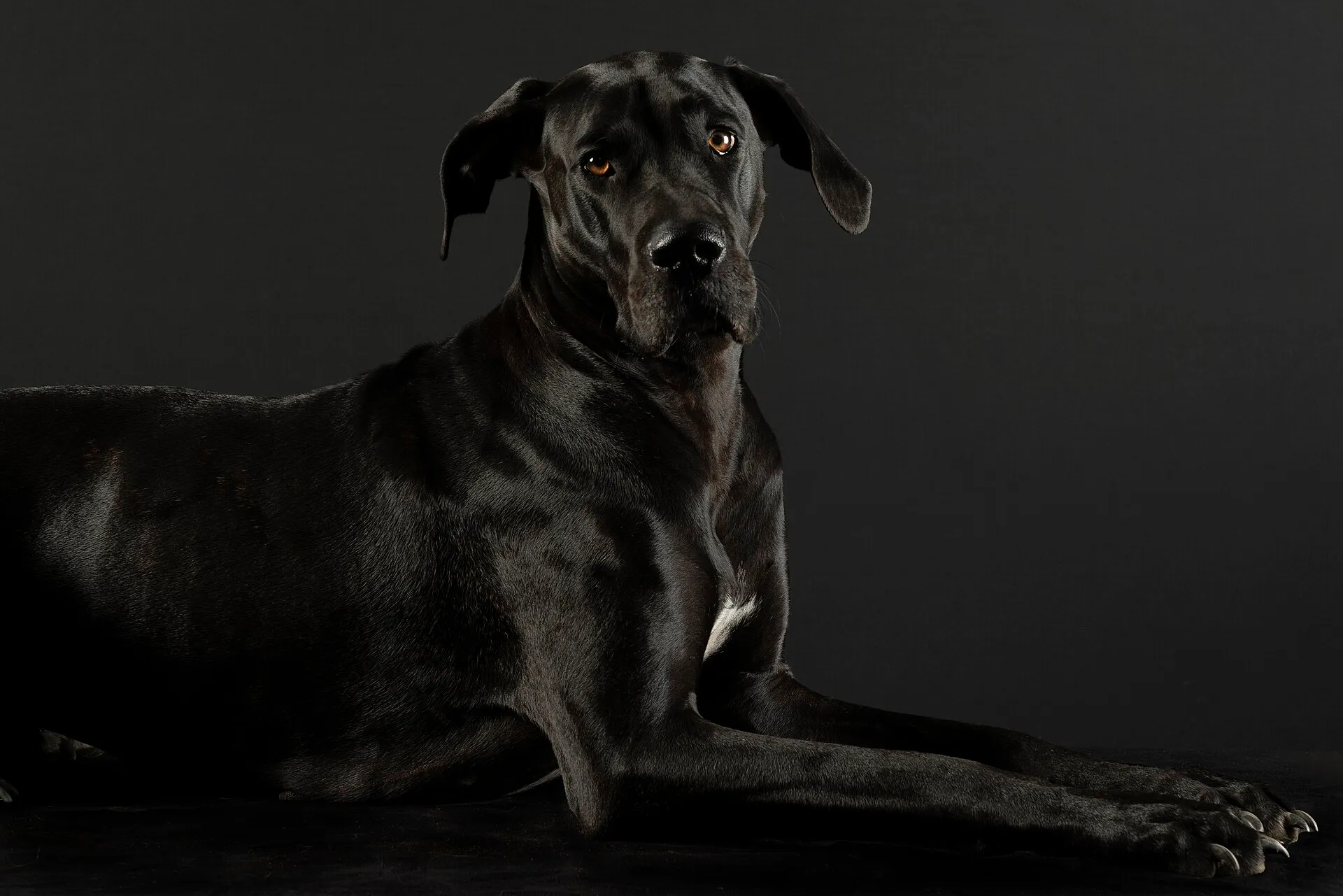
- Great Danes, Akitas, Dogues de Bordeaux, Weimaraners, setters, Standard Poodles and other deep-chested dogs carry the highest risk, and risk rises with age.
- Feed two or more smaller meals a day from a bowl on the floor, slow down fast eaters and keep hard exercise away from mealtimes.
- Ask your vet about a preventive gastropexy if you own a high-risk breed or a dog whose parent or sibling has had GDV; it can often be done during a spay or neuter.
Bloat, properly called gastric dilatation-volvulus (GDV), is a stomach that fills with gas and then twists, and it can kill a dog within hours. If a large or deep-chested dog is retching without bringing anything up, drooling, pacing and getting a tight belly, go to the nearest open vet now; don’t phone around or wait until morning. Treatment works best early, and some at-risk dogs can have a preventive operation, called a gastropexy, that makes the deadly twist very unlikely.
What GDV actually is
GDV happens in two stages. First the stomach swells with gas, fluid and food (the dilatation). Then it may rotate on its own axis (the volvulus). The Merck Veterinary Manual describes rotations of 90° up to 360°. Past about 180°, the end of the food pipe where it joins the stomach is pinched shut, so the dog can’t burp or vomit the gas out.
The swollen stomach presses on the large veins returning blood to the heart, and the dog goes into shock. The twist can also cut the blood supply to the stomach wall and the spleen. Within hours, parts of the stomach can start to die, the heart rhythm becomes unstable and the stomach can rupture.
“Bloat” is used loosely for both stages. Simple dilatation without a twist still needs a vet, but the twisted form is the true emergency, and from your sofa you can’t tell which one your dog has.
Signs of bloat: what it looks like at home
The American College of Veterinary Surgeons (ACVS) and PDSA describe a fairly consistent picture. Early on you may see:
- Retching or trying to vomit with little or nothing coming up, sometimes just froth
- Restlessness, pacing, panting, or getting up and lying down repeatedly
- Drooling
- An anxious look, glancing or turning towards the belly, standing stretched out
- A belly that looks swollen or feels tight like a drum, though PDSA notes this can be hard to see in deep-chested dogs because the stomach sits up under the ribs
Later signs are weakness, pale gums, fast breathing and collapse. Your vet will also find a fast heart rate and weak pulses, which are signs of shock.
See a vet now if:
- Your dog is retching or trying to vomit and little or nothing comes up
- The belly looks bigger than usual or feels tight, especially in a large or deep-chested dog
- Your dog is restless, drooling, panting and can’t settle
- The gums look pale, the breathing is fast, or your dog is weak or collapses
- Your dog has eaten a large amount of food, or raw bread dough, and is uncomfortable
Phone the clinic on the way so the team can prepare. Don’t try to make your dog vomit, and don’t give anything by mouth.
Which dogs are most at risk
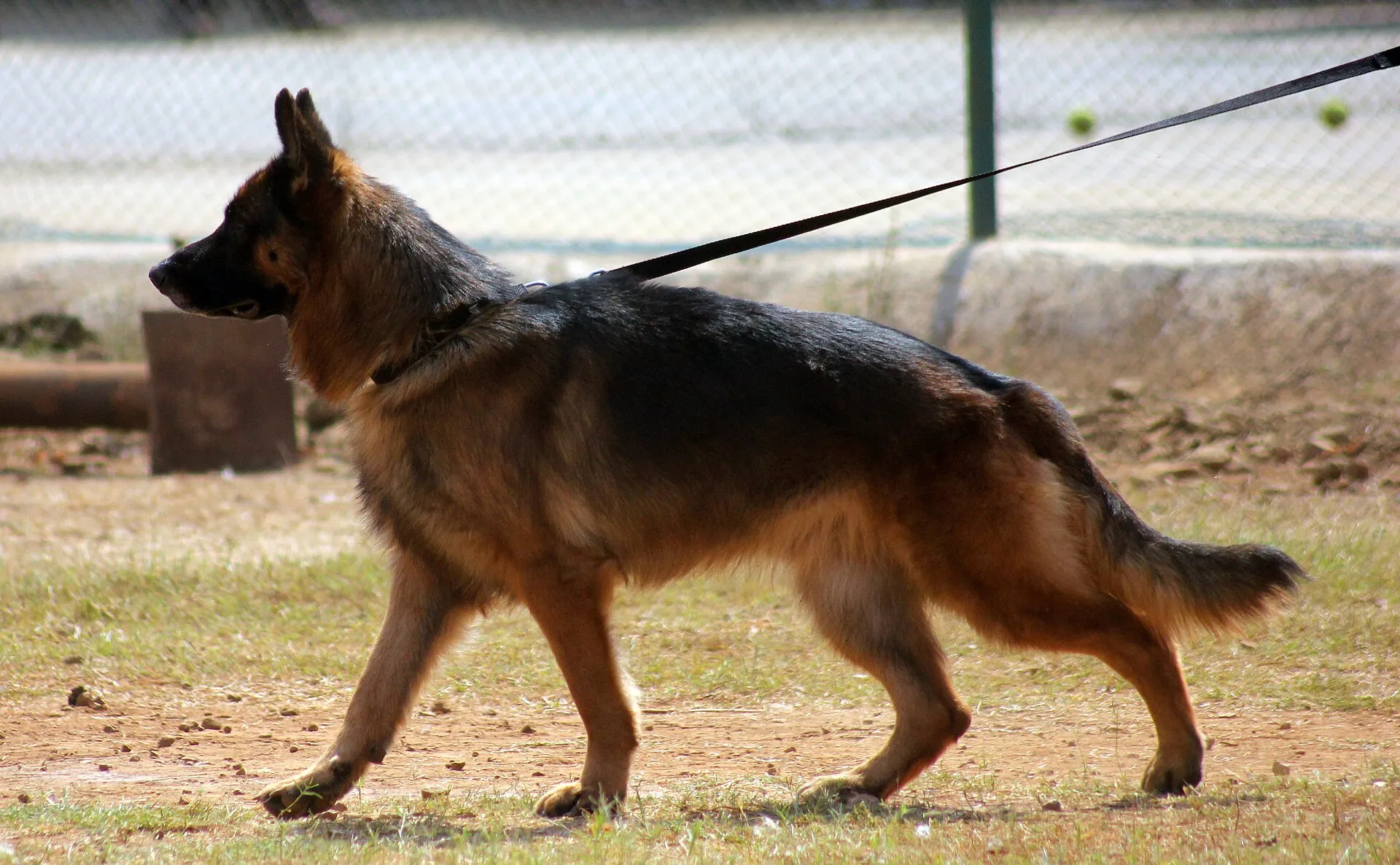
GDV is mainly a disease of large and giant breeds with deep, narrow chests. Merck lists Great Danes, German Shepherd Dogs, Irish and Gordon Setters, Weimaraners, Saint Bernards, Standard Poodles and Basset Hounds. PDSA adds Dobermanns, and the risk usually shows up in middle-aged and older dogs.
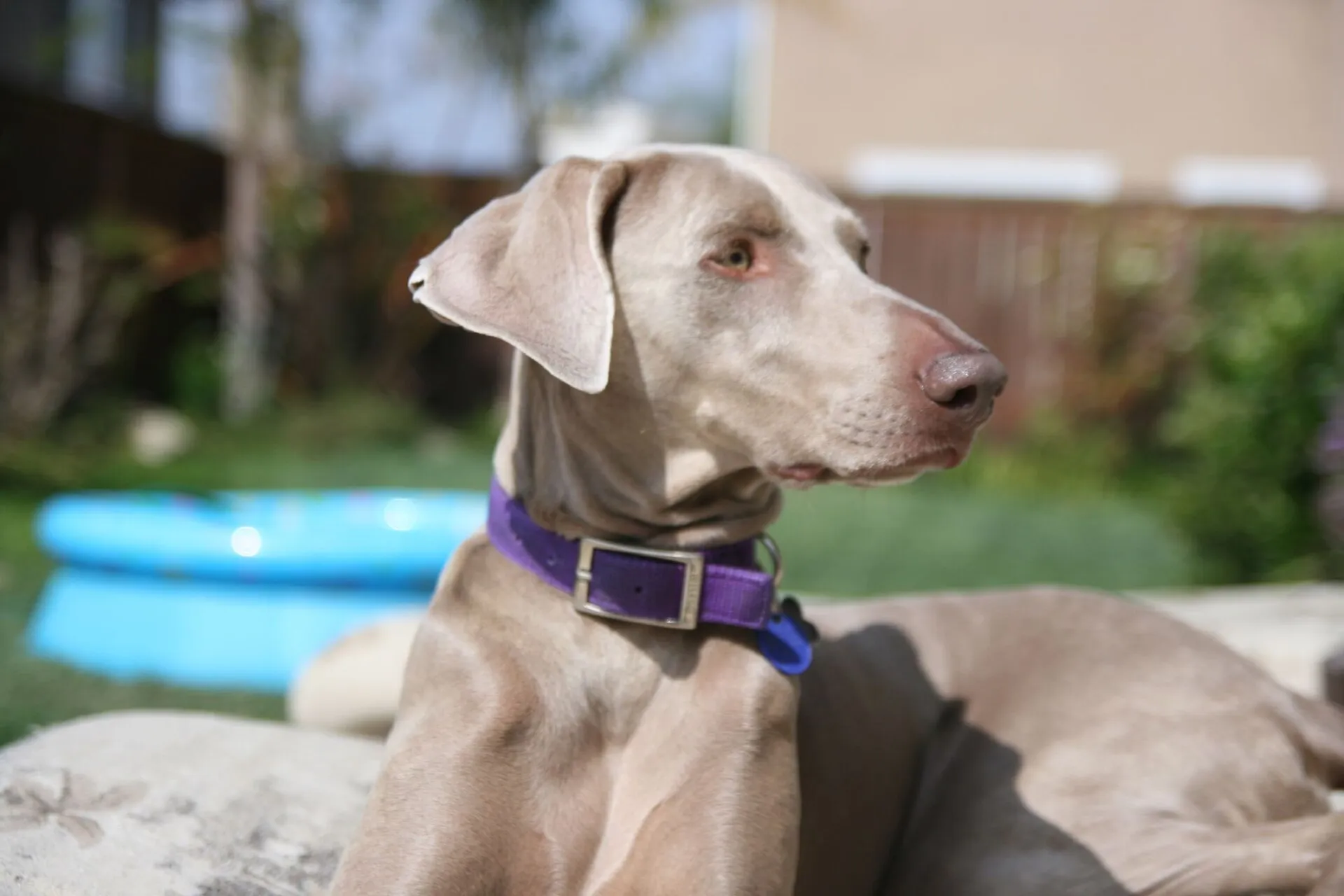
The numbers come from a few key studies, and they measure different things:
- A US cohort of show dogs (Glickman and colleagues, published 2000). Researchers followed 1,914 dogs of 11 large and giant breeds. GDV struck at a rate of 23 cases per 1,000 dog-years in the large breeds (23–45 kg, 50–99 lb) and 26 per 1,000 in the giant breeds (over 45 kg, 99 lb). About 5.7% of the dogs developed GDV during the study, and 28.6% of those dogs died.
- Lifetime risk estimates (Ward and colleagues, 2003). Using those incidence figures and breed lifespans, the authors estimated lifetime risk at 3.9% for Rottweilers and 36.7% for Great Danes, with Irish Setters, Standard Poodles and Weimaraners in between.
- UK emergency clinics (O’Neill and colleagues, 2017). Of 77,088 dogs seen at 50 Vets Now emergency clinics in 2012–2014, 0.64% were diagnosed with presumed GDV. Compared with crossbreeds, the odds were about 114 times higher in Great Danes, 84 times in Akitas and 83 times in Dogues de Bordeaux. Odds rose with age up to 12 years, and neutered males had 1.3 times the odds of entire females.
Those odds ratios describe an emergency-clinic population over 18 months, not your dog’s lifetime chance, but they show how heavily the problem is concentrated in a handful of breeds. If you share your home with a Great Dane, GDV is a real possibility to plan for.
Other risk factors Merck lists include having a parent or sibling with GDV, a lean body condition, a fearful or anxious temperament, eating fast, eating one meal a day of dry food only, and a previous splenectomy.
Raised bowls, meal size and the things you can change
For years, owners of big dogs were told to raise the food bowl. The evidence points the other way. In the second analysis of the same US cohort, Glickman’s team found that a raised feed bowl was linked to higher risk, and they attributed roughly 20% of GDV cases in the large breeds and 52% in the giant breeds to it. Faster eating, older age and an affected first-degree relative also raised risk.
This was an observational study, so it shows association, not proof that the bowl caused the twist. It is still the best data we have, and both Merck and PDSA now advise feeding from the floor. The ACVS also mentions a 2006 study that linked dry foods with oil or animal fat among the first four ingredients to higher risk.
What sensible prevention looks like, based on Merck, ACVS and PDSA advice:
- Split the daily food into two or three smaller meals instead of one large one
- Feed from a bowl on the floor
- Slow a fast eater down with a puzzle feeder, slow-feed bowl or scatter feeding, and feed multiple dogs apart so nobody bolts their food
- Keep vigorous exercise and car journeys away from mealtimes; PDSA suggests an hour either side
- Keep mealtimes calm, and let your dog drink little and often rather than withholding water
- Don’t breed from dogs with a close relative who has had GDV
None of this makes GDV impossible. It trims the odds, and it is cheap.
What happens at the vet
Your vet will usually suspect GDV from the breed, the story and a quick exam, then confirm it with X-rays. Merck describes a classic “double bubble” pattern on the film. Blood tests help gauge how sick the dog is; a blood lactate above about 6 mmol/L is associated with dead stomach tissue and a greater chance of needing part of the stomach removed.
Treatment comes in a set order:
- Stabilise. Large volumes of IV fluids for shock, oxygen and pain relief.
- Decompress. A tube passed down the throat, or a needle through the body wall, lets the gas out.
- Surgery. The surgeon untwists the stomach, checks the stomach wall and spleen, removes any dead tissue, and performs a gastropexy, stitching the stomach to the body wall.
- Monitor. Heart rhythm problems are common after surgery, so dogs are usually watched in hospital for a day or more.
Survival figures vary with the population. The ACVS puts mortality at about 15%, and PDSA says about 15% of dogs don’t survive even with treatment. Merck gives a wider 20–45% for treated animals. In the UK emergency-clinic study, 79.3% of dogs that had surgery survived to go home, but only 49.7% of all dogs that arrived alive did, a figure that includes dogs put to sleep without surgery. Signs lasting more than six hours, heart rhythm problems before surgery, and needing the spleen or part of the stomach removed are all linked to worse outcomes.
Dogs treated by decompression alone, without a gastropexy, have a very high chance of the twist happening again, according to Merck. That is why the pexy is a standard part of emergency surgery.
Preventive gastropexy: what the evidence says
A preventive (prophylactic) gastropexy is the same stitch done in a healthy dog before anything goes wrong. It does not stop the stomach filling with gas, but it should stop the life-threatening twist. The ACVS notes that many surgeons recommend it for at-risk breeds and for dogs with an affected relative, and it is often done during a spay or neuter. Keyhole options exist: laparoscopic-assisted, endoscopically assisted and small-incision techniques.
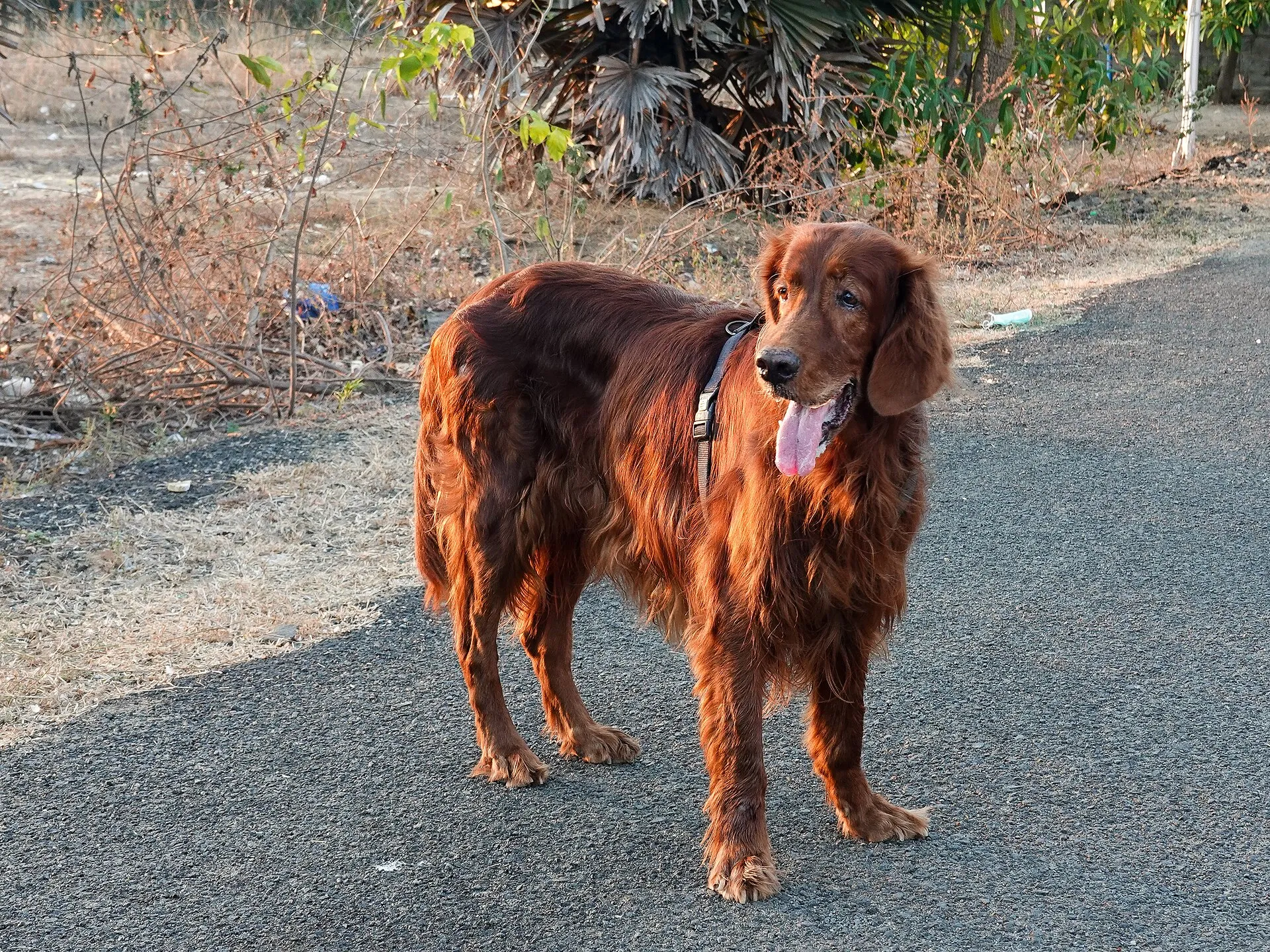
What the research shows:
- Modelled benefit. Ward’s 2003 decision-tree analysis found preventive gastropexy was the preferred option in all five breeds studied. It estimated the reduction in lifetime risk of dying from GDV at 2.2-fold for Rottweilers and 29.6-fold for Great Danes. This is a model built on incidence data, not a trial, and its cost assumptions date from 2003.
- Recurrence after gastropexy. A 2025 appraisal in Veterinary Evidence reviewed 16 studies of dogs that had a gastropexy and found the rate of GDV afterwards was consistently low. It rated the strength of that evidence as weak, because most studies were small case series.
- Ethics and judgement. Ward’s authors noted that preventive gastropexy raises ethical questions for vets and breeders, chiefly whether surgery should be used to work around a problem that breeding created. It is still an operation under general anaesthetic, with its own small risks.
Our reading: for a Great Dane, or any large dog whose parent or sibling has had GDV, the case for a preventive gastropexy is strong and worth raising with your vet before neutering. For lower-risk breeds such as Rottweilers, it is more of a judgement call. Talk through your dog’s breed, family history and anaesthetic risk with your vet.
What GDV and gastropexy cost
Costs vary enormously by country, clinic and how sick the dog is.
- United States. PetMD (reviewed 2025) says emergency gastropexy alone can cost $1,500 or more, with stabilisation and aftercare taking the total to several thousand dollars. MetLife Pet Insurance (2026), citing Preventive Vet data, gives a range of about $2,000 to $7,500 or more. A preventive gastropexy added to a spay or neuter usually adds several hundred dollars, according to PetMD, and keyhole techniques may cost more.
- United Kingdom and elsewhere. We could not find a published UK, Australian, Canadian or European price range from a vet school, charity or regulator. PDSA describes treatment as very expensive. Ask your vet or nearest emergency clinic for an estimate now, while your dog is well, and see our guide to what a vet emergency visit costs.
If you have a high-risk breed, insure early and check how the policy treats any history of vomiting or retching. GDV is a typical illness claim, but earlier stomach symptoms can be scrutinised. Our guide to making a pet insurance claim covers how to keep the records straight.
The bottom line
GDV is one of the few dog emergencies where minutes really matter, so learn the signs: unproductive retching, restlessness, drooling and a tightening belly. Large and giant, deep-chested breeds carry most of the risk, and that risk rises as they age. Smaller meals from a floor-level bowl, slower eating and calm mealtimes are easy changes. If you own a Great Dane or a dog with a family history of GDV, ask your vet about a preventive gastropexy before it is needed.
Questions owners ask
How fast does bloat kill a dog?
It can kill within hours. Studies link signs lasting more than six hours before treatment with a higher risk of death, so don't wait to see whether it settles.
What are a dog's chances of surviving GDV?
Most dogs that reach a vet in time and have surgery survive. The ACVS and PDSA put the death rate at about 15%, and in a UK emergency-clinic study 79.3% of dogs that had surgery went home. Delay, heart rhythm problems and needing the spleen or part of the stomach removed all lower the odds.
Does gastropexy stop bloat completely?
No. It fixes the stomach to the body wall so it is very unlikely to twist, but the stomach can still fill with gas. Simple bloat without a twist is usually far less dangerous, though it still needs a vet.
Should I use a raised food bowl for my large dog?
Current advice says no. A large cohort study linked raised bowls with a higher risk of GDV in large and giant breeds, and both the Merck Veterinary Manual and PDSA now recommend feeding from the floor.
Can small dogs get GDV?
They can, but it is uncommon. The condition is concentrated in large and giant, deep-chested breeds, and one UK emergency-clinic study found the highest odds in Great Danes, Akitas and Dogues de Bordeaux.
Sources
- Merck Veterinary Manual: Gastric Dilation and Volvulus in Small Animals
- American College of Veterinary Surgeons: Gastric Dilatation-Volvulus
- PDSA: GDV (Gastric Dilatation Volvulus) in Dogs
- Glickman LT, Glickman NW, Schellenberg DB et al. (2000), JAVMA: Incidence of and breed-related risk factors for gastric dilatation-volvulus in dogs
- Glickman LT, Glickman NW, Schellenberg DB et al. (2000), JAVMA: Non-dietary risk factors for gastric dilatation-volvulus in large and giant breed dogs
- Ward, Patronek and Glickman (2003), Preventive Veterinary Medicine: Benefits of prophylactic gastropexy for dogs at risk of GDV
- O'Neill DG, Case J, Boag AK et al. (2017), Journal of Small Animal Practice: GDV in dogs attending UK emergency-care practices
- Veterinary Evidence (2025): In dogs with GDV undergoing gastropexy, what is the rate of recurrence?
- PetMD: Gastropexy in Dogs: Benefits, Risks, and Cost
- MetLife Pet Insurance: Bloat in Dogs: Warning Signs, Causes, & Surgery Cost
This guide is general information, not a substitute for advice from a vet who has examined your dog. Every claim is checked against the sources above. How we research and fact-check. Spotted an error? Tell us.