The short answer
- An adult dog with a day of diarrhoea who is bright, eating and drinking can usually be managed at home with water, rest and small, plain meals.
- Call a vet the same day for any puppy with diarrhoea, and for blood, black stools, repeated vomiting, a sore belly or a dull, flat dog.
- Don't fast puppies, small toy dogs, elderly dogs or dogs with other illnesses.
- Switch back to normal food gradually over several days once stools firm up, and don't keep a homemade bland diet going for more than a few days.
- Don't expect antibiotics for simple diarrhoea: current guidance says they don't help mild or moderate cases.
Most bouts of diarrhoea in adult dogs are caused by something they ate and clear up within a day or two with water, rest and small, plain meals. Call a vet the same day if the dog is a puppy, if there is blood or black, tarry stool, if they are also vomiting repeatedly, or if they seem flat, weak or in pain.
It’s also one of the most common reasons dogs end up at the vet. A 2025 Royal Veterinary College study of UK vet records from 2019 estimated that about one dog in 12 (8.2%) needs veterinary care for acute diarrhoea each year. The reassuring part: over 80% of those dogs needed only one visit.
What causes diarrhoea in dogs?
Diarrhoea happens when food moves through the gut too fast for water and nutrients to be absorbed properly. The trigger is usually one of these:
- Dietary indiscretion: bin raiding, scavenged food, a fatty treat, something dead from the beach
- A sudden change of food, including new treats or chews
- Stress: travel, boarding kennels, a house move or visitors
- Parasites: roundworms, hookworms, whipworms, Giardia
- Infections: parvovirus, and bacteria such as Salmonella or Campylobacter
- Toxins and poisonous plants. If you think your dog has eaten something dangerous, check our is it toxic tool and call your vet.
- Other illness: pancreatitis, liver disease, inflammatory bowel disease, food allergy, gut blockages and, less often, cancer
PDSA also lists exocrine pancreatic insufficiency, which typically produces large amounts of pale, oily, foul-smelling stool. If that sounds familiar, it needs a vet rather than home care.
Which dogs get it most?
Young dogs, mostly. In the 2025 VetCompass study, dogs under three and over nine had higher odds of acute diarrhoea than dogs aged four to five, and the highest odds were in dogs under two.

Breed made a difference too. The breeds with the highest one-year risk were the Cavapoo (about 15%), Maltese (about 14.6%) and Miniature Poodle (about 14.3%) and German Shepherd Dog (about 12%). Jack Russell Terriers and Chihuahuas had lower odds than crossbreeds. The authors note their model explained only a small share of the variation, so breed is a nudge, not a verdict.
Small bowel or large bowel: what the poo tells you
Vets often sort diarrhoea by which part of the gut seems to be involved, because it points to different causes. The Merck Veterinary Manual describes the pattern like this:
| Clue | More like small intestine | More like large intestine (colitis) |
|---|---|---|
| Amount | Large volumes | Small amounts |
| How often | Normal or slightly more often | Many times a day, with urgency |
| Straining | Uncommon | Common |
| Mucus or fresh red blood | Uncommon | Common |
| Weight loss, vomiting | More likely | Less likely |
Dark, tarry, black stool is different again. It can mean digested blood from higher up the gut, and Merck notes it with severe hookworm infections. Treat it as a reason to call the vet today.
Home care for an adult dog with mild diarrhoea
Home care is only for an adult dog whose diarrhoea started less than 24 hours ago and who is otherwise bright, drinking and interested in food. That’s the line PDSA draws, and it’s a sensible one.
1. Keep water available. Fluid loss is the main risk. Offer fresh water often and in small amounts if your dog gulps and then vomits.
2. Decide about food. PDSA says withholding food for up to 24 hours may help settle an otherwise healthy adult, but never for very young, old or ill dogs. VCA describes fasting only “for a short time” and only for healthy adults. In parvovirus, the Merck Veterinary Manual encourages early feeding rather than holding food back, so ask your vet before fasting any dog that seems more than mildly off-colour.
3. Offer small, frequent bland meals. PDSA suggests plain boiled chicken breast with no skin or bones, with plain white rice, or a tinned gastrointestinal diet from your vet. No butter, oil, gravy, onion or garlic.
4. Rest. Skip long runs and boisterous play until stools are back to normal.
5. Bring normal food back gradually. Once stools firm up, mix in the usual food over several days. PDSA suggests three to five days and VCA seven to ten; slower is kinder for a sensitive gut.
Don’t give human anti-diarrhoea medicines or painkillers unless your vet tells you to. Some human drugs are dangerous to dogs, and anti-inflammatory painkillers can make gut problems worse.
What the evidence says about bland diets
The chicken-and-rice routine is so familiar that it’s easy to assume it has been tested. It mostly hasn’t.
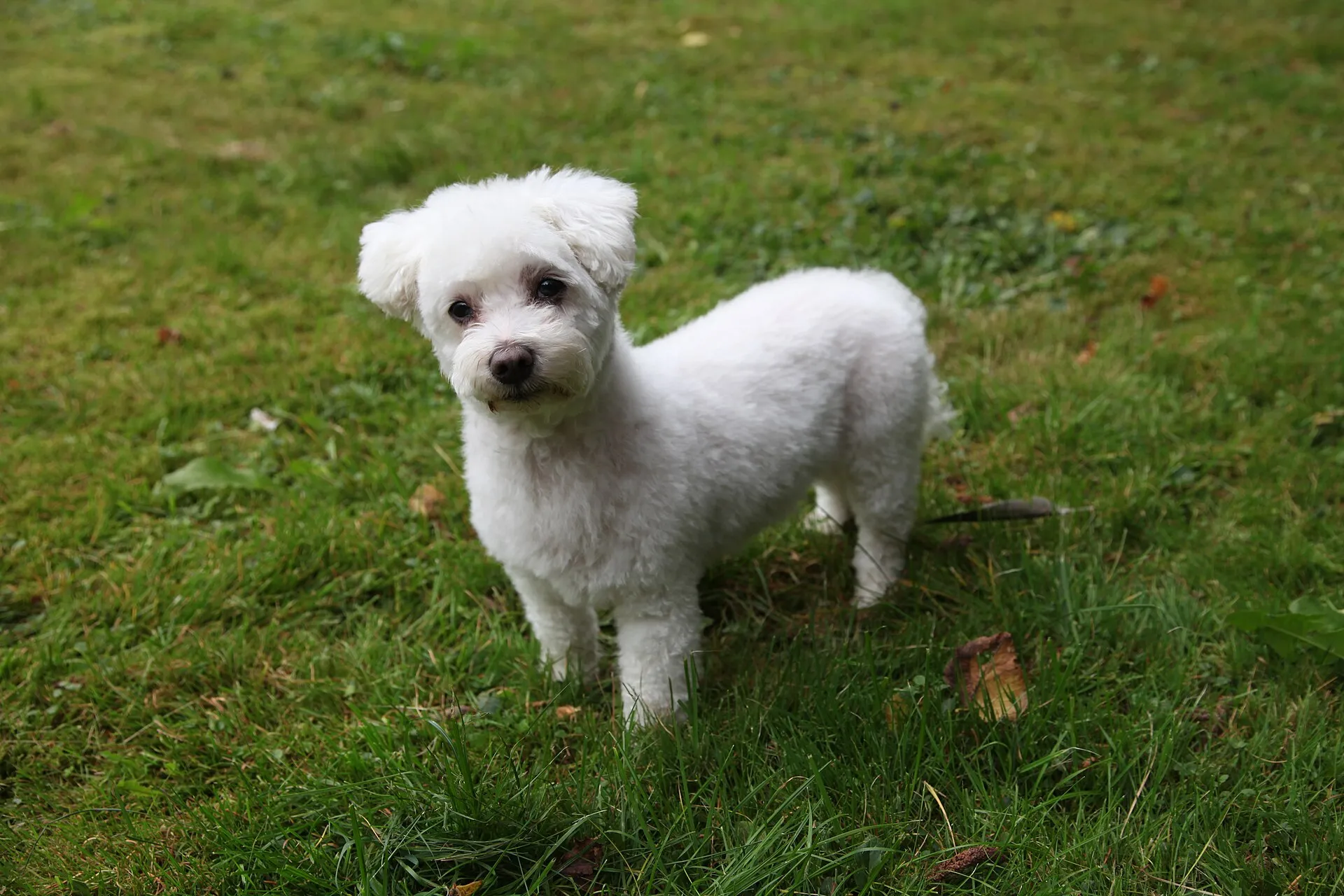
A 2025 review in Vet Times by Nicola Lakeman found no published studies directly comparing homemade bland diets with commercial gastrointestinal foods for self-limiting acute diarrhoea. Many of the original reasons for bland diets, she writes, have been “disproved or superseded”. Her team now prefers commercial gut-friendly diets, because homemade recipes are not nutritionally balanced, tend to drift, and lack the prebiotic fibres that have shown some benefit.
That doesn’t make chicken and rice harmful for a day or two. It just means it is a stopgap, not a treatment, and that a vet-recommended gastrointestinal diet is a reasonable alternative if you have one in the cupboard. PDSA’s advice not to keep a homemade bland diet going beyond a few days without talking to your vet still stands. If your dog has a sensitive stomach long term, talk to your vet about a long-term diet rather than relying on home-cooked bland meals.
Probiotics have better evidence. The same review cites research finding that dogs with acute diarrhoea did better on a probiotic or synbiotic, with improvements comparable to dogs given antibiotics. Probiotics were the most common treatment given in the UK VetCompass study, used in about 60% of cases. Quality varies between products, so ask your vet for a specific recommendation.
Why your vet may not give antibiotics
Many owners expect antibiotics, and in the 2019 UK records about 38% of dogs with acute diarrhoea got them, most often metronidazole. Current guidance has moved against that.
European guidelines published in 2024 by ENOVAT, a network of veterinary antimicrobial specialists, strongly recommend, on high-certainty evidence, that antimicrobials should not be used for dogs with mild or moderate acute diarrhoea, with or without blood. An RCVS knowledge summary cited in Vet Times found no evidence-based reason to use metronidazole in uncomplicated acute diarrhoea. PDSA puts it simply: antibiotics can make diarrhoea worse by killing helpful gut bacteria. Antibiotics still have a place for some severely ill dogs, and that is a judgement for your vet.
Puppies are a different case
Diarrhoea is more serious in puppies. They have smaller reserves, dehydrate quickly, and the list of likely causes includes parvovirus and heavy worm burdens.
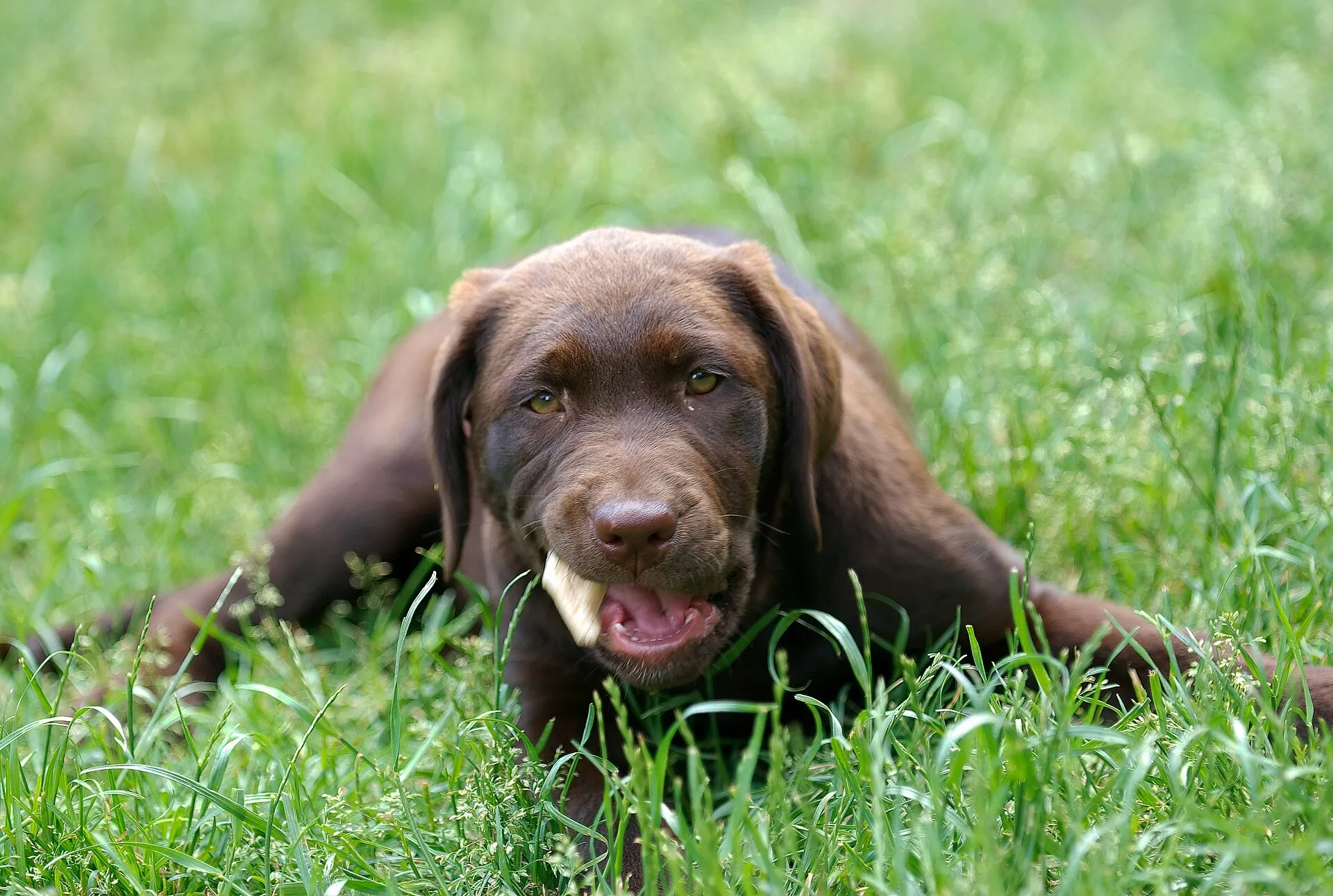
- Don’t fast a puppy. PDSA is clear on this.
- Think about parvovirus. The Merck Veterinary Manual says it most often affects puppies and unvaccinated adults. Signs usually start five to seven days after infection with dullness, poor appetite and fever, then vomiting and bloody diarrhoea within a day or two. With proper treatment, 68–92% of affected dogs survive, so speed matters. Check where your puppy is in its vaccination schedule.
- Think about worms. Merck notes roundworms can pass from mother to puppies before birth and through milk, and that hookworm anaemia can kill young puppies. A faecal test at the vet identifies most intestinal worms. Some roundworms and hookworms can also infect people, so wash hands after clean-ups, especially around children.
Blood in the stool and haemorrhagic diarrhoea
A streak of fresh red blood with mucus in an otherwise bright dog often comes from an irritated large bowel. A sudden flood of bloody, watery diarrhoea is a different matter.
The Merck Veterinary Manual describes haemorrhagic gastroenteritis as sudden vomiting and bloody diarrhoea in a previously healthy dog, often a young adult, with toy and miniature breeds seemingly predisposed. It isn’t contagious and most dogs recover with supportive care, mainly fluids, but they can deteriorate quickly without it. Bloody diarrhoea with vomiting needs a vet the same day.
See a vet now if:
- Your dog is a puppy, very old, or has another illness or takes regular medication, especially anti-inflammatory painkillers
- There is a lot of blood in the stool, or the stool is black and tarry
- Your dog is also vomiting repeatedly, or can’t keep water down
- Your dog is weak, lethargic, collapsing, or has pale gums
- The belly looks painful or swollen, or your dog adopts a “prayer” position with front end down and back end up
- You think your dog has eaten a toxin, a bone or a toy
- Diarrhoea has lasted more than 24 hours, or soft stools keep returning
If your dog is vomiting as well, our guide to dog vomiting and when to worry covers that side of things.
When diarrhoea keeps coming back
Diarrhoea that drags on for weeks, or keeps coming back, needs a proper work-up rather than another round of chicken and rice. Expect your vet to ask about diet, weight loss, appetite and worming, and to suggest faecal tests and blood tests. Possible causes include food-responsive enteropathy, inflammatory bowel disease, pancreatic problems and parasites such as Giardia.
Keep a simple log before the appointment: dates, what the stool looked like, what your dog ate and any vomiting. A clear photo helps your vet more than you might expect.
The bottom line
Most diarrhoea in adult dogs is a short-lived reaction to something they ate, and water, rest, small plain meals and a slow return to normal food are usually enough. The evidence for chicken and rice is weaker than its reputation, and antibiotics are not recommended for mild or moderate cases, while probiotics may help. Puppies, very old dogs and any dog with blood, black stool, vomiting, pain or low energy should see a vet the same day.
Questions owners ask
How long is too long for dog diarrhoea?
PDSA advises contacting your vet if diarrhoea lasts more than 24 hours, and VCA says to call if frequent loose stools go on for more than two days. Puppies, old dogs and dogs that seem unwell should be seen sooner.
Is rice and chicken actually good for dogs with diarrhoea?
It is a reasonable short-term option and is what PDSA suggests: plain boiled chicken breast and white rice in small, frequent portions. But it is not a balanced diet, and vets increasingly prefer commercial gastrointestinal diets, so don't feed it for more than a few days without advice.
Should I starve my dog if it has diarrhoea?
Not automatically. PDSA says withholding food for up to 24 hours may help an otherwise healthy adult, but it should never be done with very young, old or ill dogs. If you're unsure, offer small, frequent bland meals and ask your vet.
Can I give my dog probiotics for diarrhoea?
They may help. Research summarised in Vet Times in 2025 found dogs with acute diarrhoea had better outcomes with probiotics or synbiotics, though product quality varies, so ask your vet which one to use.
Why does my puppy have diarrhoea?
Common reasons are a change of food, scavenging, stress and worms. Parvovirus is the dangerous one, especially in puppies that haven't finished their vaccinations, so any puppy with diarrhoea should be discussed with a vet the same day.
Sources
- O'Neill DG et al. (2025): Epidemiology and clinical management of acute diarrhoea in dogs under primary veterinary care in the UK. PLOS One
- Jessen LR et al. (2024): ENOVAT guidelines for antimicrobial use in canine acute diarrhoea. The Veterinary Journal
- PDSA: Diarrhoea in dogs
- Vet Times: Gastrointestinal issues: who is giving out advice, and is it right? (September 2025)
- Merck Veterinary Manual: Disorders of the Stomach and Intestines in Dogs
- Merck Veterinary Manual: Gastrointestinal Parasites of Dogs
- VCA Animal Hospitals: Diarrhea in Dogs
This guide is general information, not a substitute for advice from a vet who has examined your dog. Every claim is checked against the sources above. How we research and fact-check. Spotted an error? Tell us.