The short answer
- Take your puppy out on waking, after every meal, drink, nap and play session, and at least every one to two hours while awake at first.
- Reward the moment your puppy finishes outside, with a treat and praise, not when you're back indoors.
- Supervise or confine your puppy whenever you can't watch them, so accidents can't quietly become a habit.
- Never punish accidents; clean them with an enzyme or biological cleaner and take your puppy out more often.
- Expect reliable toilet habits to take a few months, and see a vet if a previously clean puppy starts having lots of accidents.
The fastest way to toilet train a puppy is to make it almost impossible for them to get it wrong: take them out very often, reward them the instant they go outside, and watch or confine them the rest of the time. Puppies learn quickly when the right place pays and the wrong place never gets a chance, but full reliability still takes a few months because bladder control is still developing.
So “fast” here means no wasted weeks, not a weekend miracle. Some puppies click within days, according to the AKC; for most, Humane World for Animals puts the typical timeline at four to six months.
The rules that make it work
Every good method comes down to the same four rules.
- Go out more often than seems necessary. Puppies need the toilet after waking, eating, drinking, playing, chewing and anything exciting, such as visitors arriving. Dogs Trust and the AKC both list these triggers.
- Reward immediately. Dogs Trust says to reward “as soon as they have toileted”, outdoors and in the moment. A treat handed out back in the kitchen rewards walking through the door, not the wee.
- Prevent accidents rather than react to them. The Merck Veterinary Manual recommends continuous supervision during training. If you can’t watch your puppy, put them somewhere small and safe, such as a crate or puppy pen.
- Never punish. Merck says punishment “is not helpful and may be counterproductive”. Dogs Trust warns that telling a puppy off can make them anxious about you and teach them to toilet out of sight, which makes things worse.
How long can a puppy hold it? A schedule by age
The usual rule of thumb, from both the AKC and Humane World for Animals, is roughly one hour per month of age while awake, up to around nine months to a year. Treat that as the absolute maximum on a calm day, not as a plan.
| Puppy’s age | Rough maximum hold while awake (one hour per month) | Suggested trips while awake |
|---|---|---|
| 2 months (8–10 weeks) | About 2 hours | Every 1–2 hours, plus after every trigger (AKC) |
| 3 months | About 3 hours | Every 2–3 hours (PDSA), plus triggers |
| 4 months | About 4 hours | Every 2–3 hours, stretching as accidents stop |
| 6 months | About 6 hours | Stretch gradually, but keep the trigger trips |
The trip gaps come from the AKC’s suggestion of a break every one to two hours for very young puppies and PDSA’s advice of every two to three hours during the day. Use your own puppy’s pattern to adjust: if accidents happen, shorten the gap.
Nights are easier than most people expect. Humane World for Animals says most puppies can go about seven hours without a toilet break overnight, though a very young puppy that wakes and whines should be taken out.
A sample day for an 8–12-week-old puppy
Fixed meal times make toilet times predictable, as Humane World for Animals points out. A typical day:
- On waking: carry or lead your puppy straight outside, before anything else.
- Breakfast, then out: Merck suggests a trip 15 to 30 minutes after eating; many puppies go sooner.
- Play, then out. Same after chewing sessions and training.
- Every nap ends with a trip outside.
- Lunch and dinner: same pattern as breakfast.
- Evening: pick up the water bowl about two and a half hours before bed, as Humane World for Animals suggests, then a last trip just before bed.
- Overnight: a short, quiet trip if your puppy wakes and whines. No play, no chat, straight back to bed.
What to do on each trip outside
Keep trips boring and businesslike until your puppy has been.
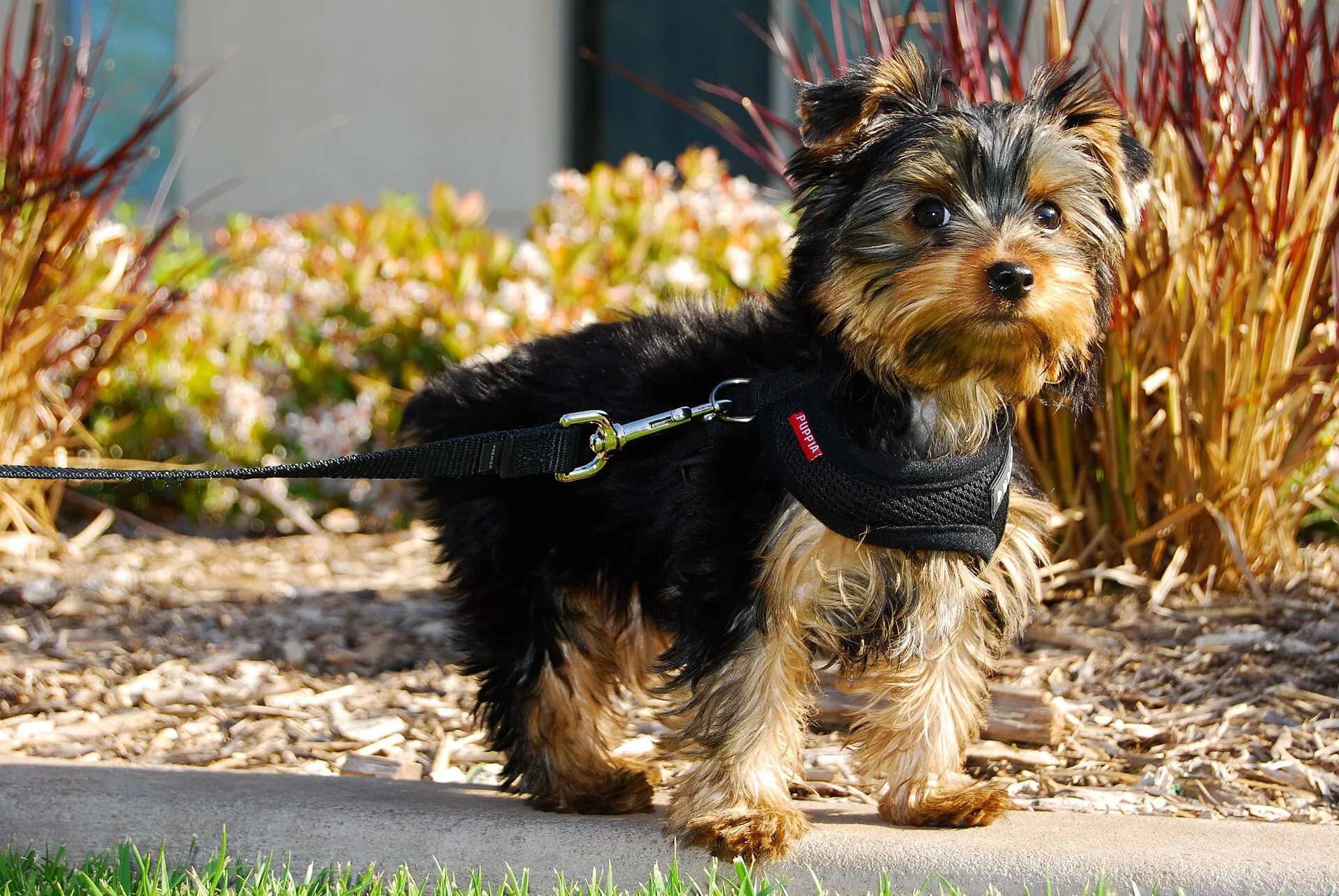
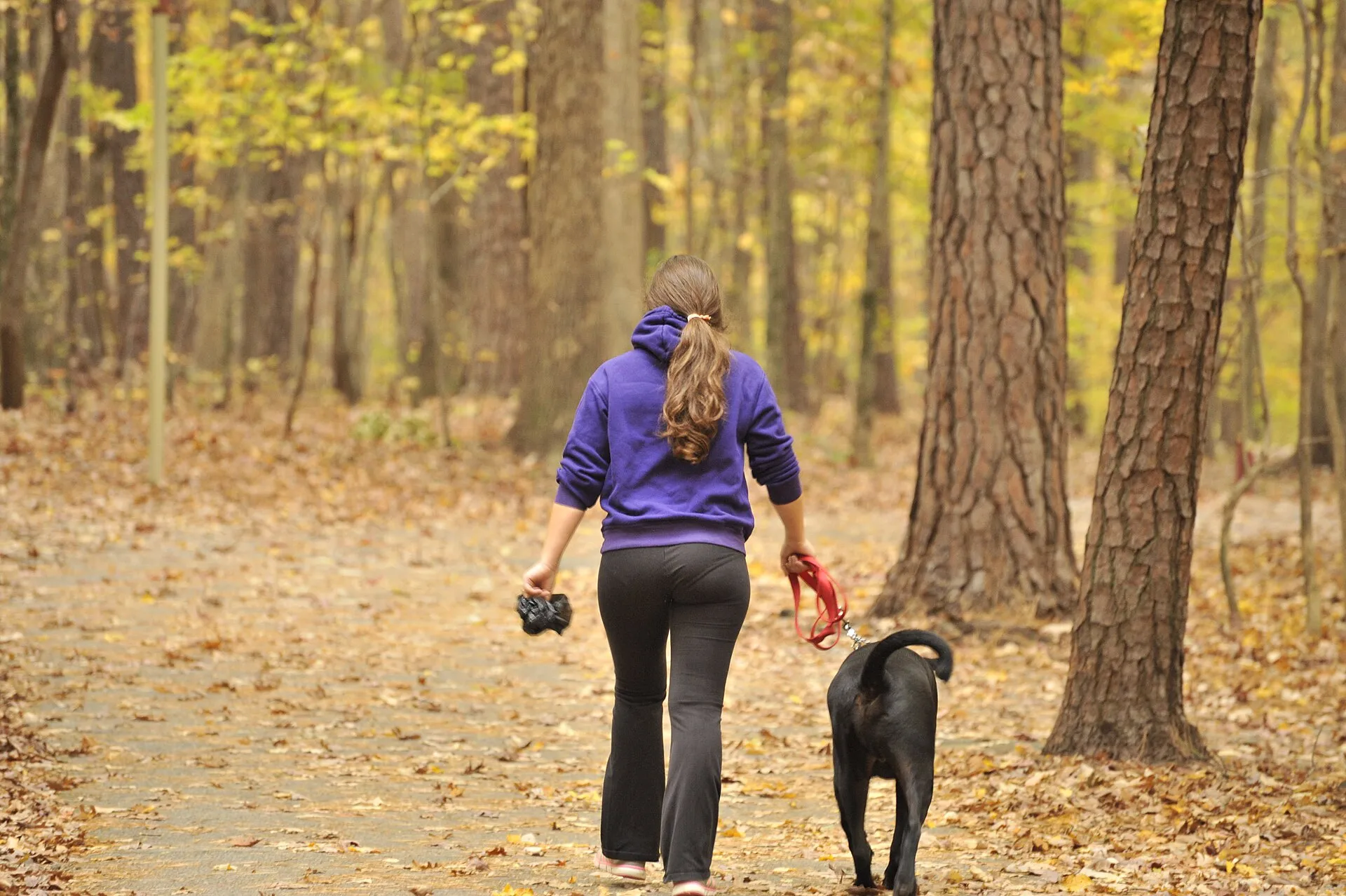
- Use a lead, even in your own garden. Dogs Trust recommends it at first so you are close enough to reward instantly.
- Go to the same spot. The smell of previous visits helps.
- Stand still and wait a few minutes. Don’t play yet.
- Add a cue word such as “be quick” or “toilet” as they start to go. Dogs Trust and PDSA both suggest this, and over time the phrase helps your dog go on request, handy before a long car trip or bedtime.
- Reward the moment they finish, then allow a bit of sniffing or play as a bonus.
- If nothing happens after five minutes, go back in, keep them close or in their crate for 10 to 15 minutes, and try again.
Learn the warning signs
Dogs Trust describes the classic signals: sniffing the floor, circling and starting to squat. Later, many puppies whine or head to the door. When you see the early signs indoors, calmly pick your puppy up or lead them outside.
Some puppies give very little warning, especially mid-play. That’s why the timed trips matter more than signal-watching in the early weeks.
Crates, pens and the “no-soil” instinct
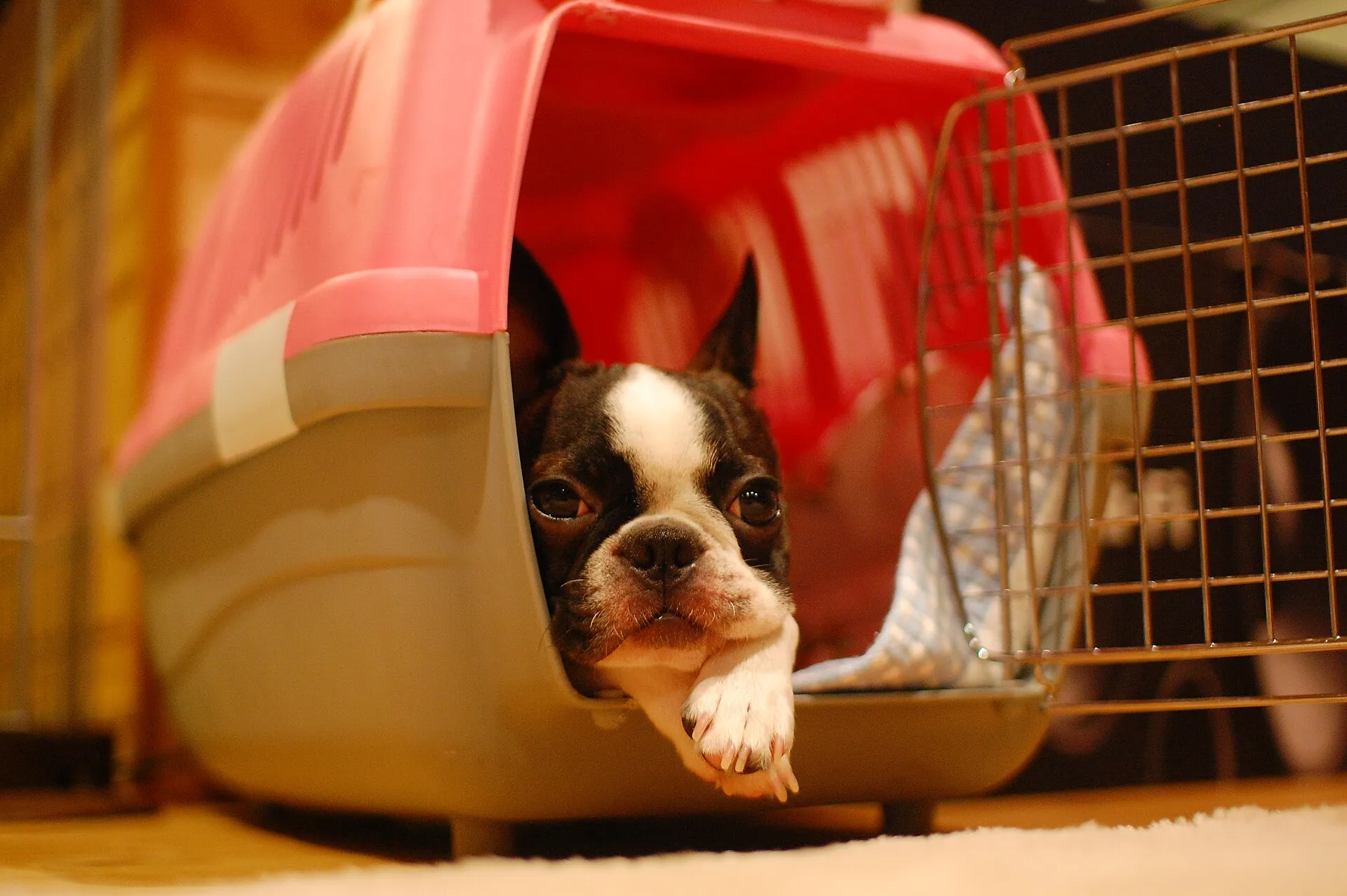
The AKC notes that dogs generally prefer not to soil their sleeping area. A crate or small pen that is just big enough to stand, turn and lie down in uses this instinct: your puppy is more likely to hold on and tell you when they need to go.
A crate is only useful if it’s a happy place and your puppy isn’t left in it longer than they can hold on. Our guide to crate training a puppy covers how to introduce one properly. If your puppy panics when left alone, that’s a separate problem worth tackling early; see our guide to separation anxiety in dogs.
Handling accidents
Accidents are part of the process. The AKC calls them “a normal part of the learning process”.
- Caught in the act? Dogs Trust advises letting your puppy finish without a reaction, then making a note to go out sooner next time. Merck says startling a dog is only appropriate when you catch it in the act, and that dogs with submissive urination should never be startled; Dogs Trust’s calmer approach is the safer default.
- Found it later? Just clean it. Your puppy can’t connect a telling-off with something they did earlier.
- Clean thoroughly. Dogs Trust recommends a biological cleaning product and the AKC an odour-neutralising one, so no smell is left to draw your puppy back.
- Look for the pattern. Accidents after play mean you need a trip during play. Accidents in one room mean too much freedom too soon.
Humane World for Animals is blunt about the old advice to rub a puppy’s nose in it: it “will only make them fearful and slow progress”.
Toilet training in a flat, apartment or high-rise
Living without a garden makes toilet training slower, but it is entirely doable. The challenge is distance: by the time you’ve reached the street, a young puppy may not be able to wait.
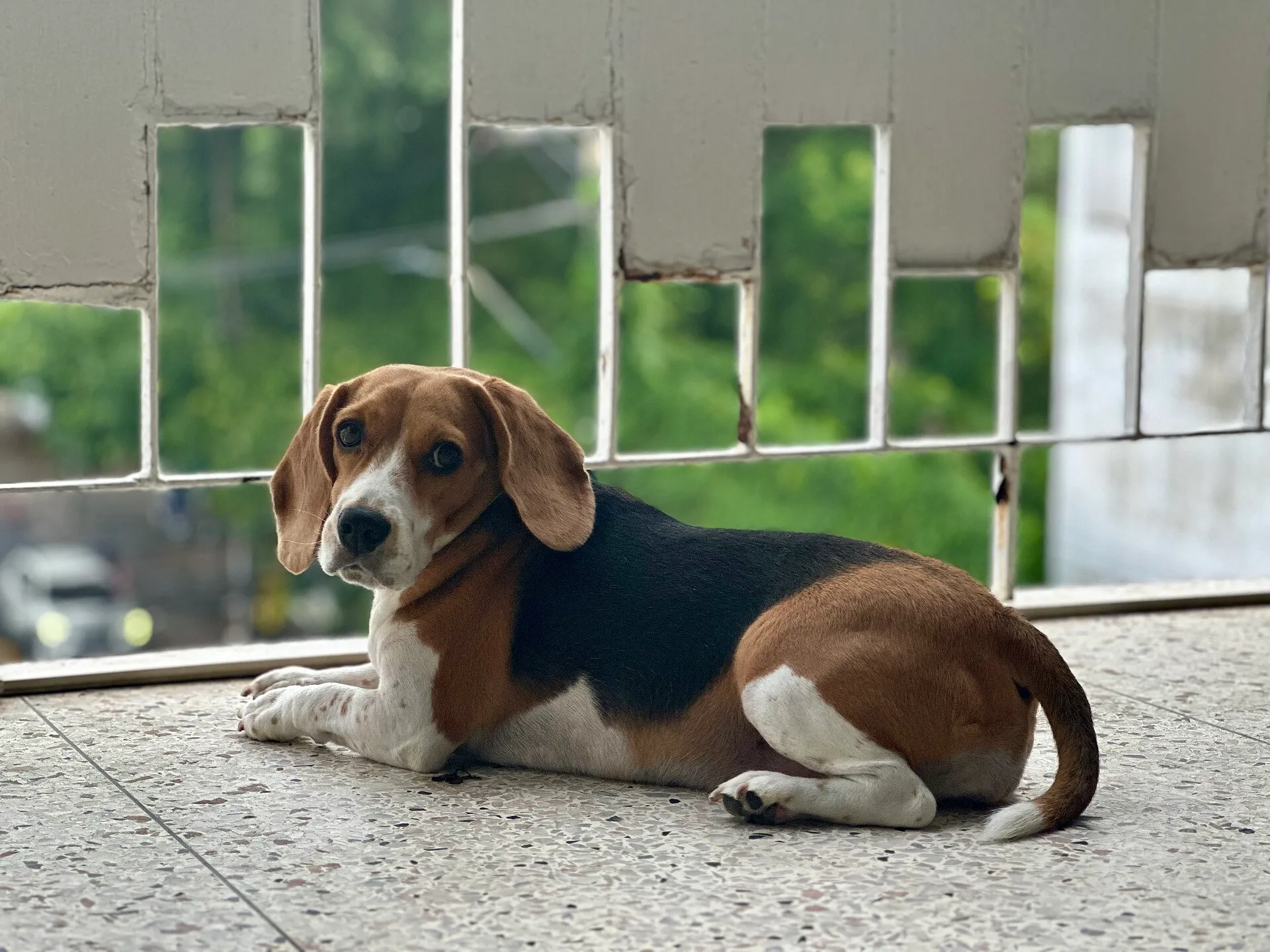
Carry young puppies out. Pick your puppy up and carry them all the way to the toilet spot, so they can’t squat on the landing or in the lift. Keep shoes, keys and lead by the door so you can leave in seconds.
Choose an indoor or balcony back-up spot if you need one. Humane World for Animals says pads, newspaper or a sod box (a tray of real turf) can work for puppies who are alone for long stretches, but warns that indoor toilet training can make outdoor training take longer. If you use one, keep it in one fixed place and treat it exactly like an outdoor spot: same cue word, same instant reward.
Make a balcony spot safe and clean. A turf tray or artificial-grass tray works better than bare tiles. Check that railings are too close together for your puppy to squeeze through, never leave them out there alone, and rinse the area often so it doesn’t smell or bother the neighbours. Check your building’s rules too.
Plan the switch to outdoors. As your puppy’s bladder control improves, gradually move from the back-up spot to outdoor trips, rewarding outdoor toileting generously. Some owners move the tray closer to the door and then outside over a couple of weeks.
If you’re still choosing a dog for flat life, our guide to the best dog breeds for apartments covers size, noise and exercise needs.
When it isn’t just training
Not every accident is a training failure. The Merck Veterinary Manual lists several other causes of toileting problems:
- Excitement urination: small leaks when a puppy is active and excited but not afraid. Keep greetings calm and low-key.
- Submissive urination: leaking when the puppy crouches or rolls over in greeting. Merck says these dogs should never be startled or scolded.
- Marking: more common in entire males but possible in any dog.
- Medical problems. Merck lists frequent urination, painful urination, accidents in the house and sometimes bloody urine among the signs of a bladder infection.
See your vet if a puppy who was doing well suddenly has lots of accidents, wees very often in small amounts, strains, has blood in the urine, drinks much more than usual, or has diarrhoea. No amount of training fixes a urinary infection.
The bottom line
Fast toilet training comes from frequency, timing and prevention: trips out after every trigger and every hour or two at first, a reward the second your puppy finishes, and supervision or a safe pen the rest of the time. Skip punishment entirely and clean accidents with an enzyme or biological cleaner. Flats and balconies need a bit more planning but the same rules. Expect a few months to full reliability, and check with your vet if accidents suddenly increase.
Questions owners ask
How long does it take to toilet train a puppy?
Most puppies take a few months. The Humane World for Animals says house training typically takes four to six months, and the AKC notes some puppies form reliable habits within days while others take several months, especially if the routine isn't consistent.
How long can a puppy hold its bladder?
A rough guide from the AKC and Humane World for Animals is about one hour for every month of age while awake, so a three-month-old can usually manage about three hours. It's a ceiling, not a target, and play or excitement shortens it.
Should I use puppy pads?
They can help if your puppy has to be left for longer than they can hold on. The trade-off, according to the Humane World for Animals, is that indoor toilet training can make the move to going outdoors take longer.
Do I need to get up in the night for a puppy?
Sometimes. Humane World for Animals says most puppies can manage about seven hours overnight, and suggests taking the water bowl away about two and a half hours before bed. If your puppy wakes and whines, keep the trip quiet and boring: out, toilet, praise, straight back to bed.
Why has my toilet-trained puppy started having accidents again?
Common reasons are a change in routine, too much freedom too soon, or excitement. But a bladder infection can also cause accidents, frequent urination or blood in the urine, so a sudden change is worth a vet check.
Sources
- AKC: How to Potty Train a Puppy
- Dogs Trust: House or toilet training
- PDSA: Toilet training your puppy
- Humane World for Animals: How to housetrain your dog or puppy
- Merck Veterinary Manual: Behavior Problems in Dogs
- Merck Veterinary Manual: Infectious Diseases of the Urinary System in Dogs
This guide is general information, not a substitute for advice from a vet who has examined your dog. Every claim is checked against the sources above. How we research and fact-check. Spotted an error? Tell us.