The short answer
- Stop moving forward the instant the lead goes tight, and only move on when it goes slack, so pulling stops paying off.
- Reward your dog often for being beside you, starting indoors where there's little to compete with you.
- Use a well-fitted, non-tightening harness, ideally with a front clip, instead of pulling against a collar while your dog learns.
- Skip choke chains, prong collars, shock collars and lead jerks, which hurt and don't work better than rewards.
- Keep training walks short and quiet at first, and accept that walks will be slower for a few weeks.
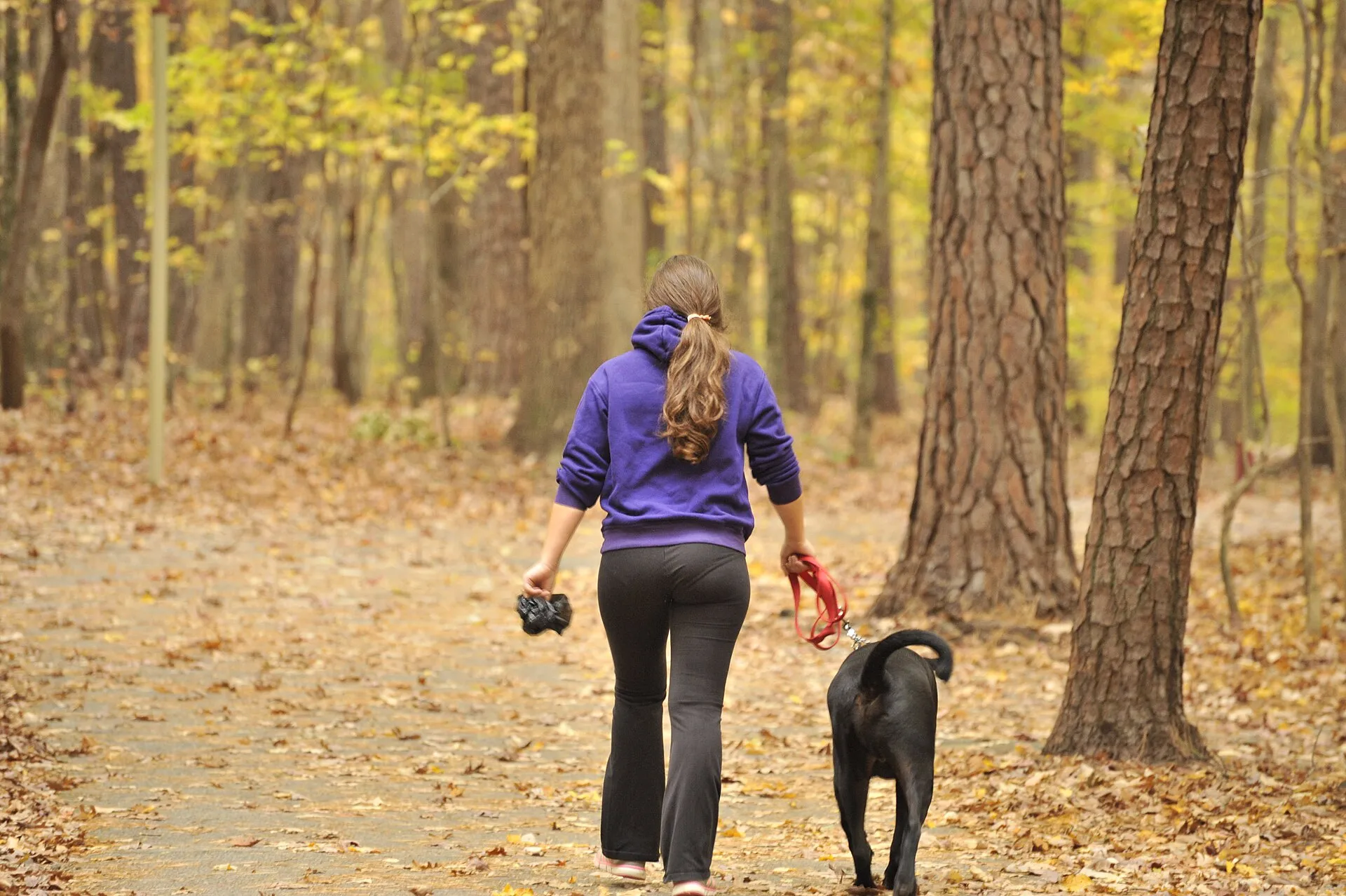
Dogs pull on the lead because it works: every time they lean into the collar and you follow, they get to the smells sooner. To teach a dog to walk nicely, stop moving whenever the lead goes tight, reward them generously for being beside you with a slack lead, and use comfortable, non-tightening equipment while they learn. Expect slower walks for a few weeks; the pulling took months to build.
It is worth the effort for more than your shoulder. A 2022 review in the Veterinary Record points out that, bites aside, being pulled over while walking a dog on a lead is the leading cause of non-fatal dog-related injuries in the UK. The same review notes that a dog who pulls tends to get shorter, less frequent and less enjoyable walks, which can mean weight gain and a bored dog.
Why dogs pull in the first place
Dogs Trust lists the usual reasons, and none of them is “dominance”:
- Excitement. The walk is often the best part of the day, and humans walk annoyingly slowly.
- It’s rewarded. If you step forward each time your dog pulls, you’ve just taught them that pulling moves the walk along. Over time it becomes a habit.
- The world is interesting. Smells, other dogs and wildlife compete with you, and they usually win.
- Worry. Some dogs pull away from things that frighten them, or towards them. A tight lead can make a nervous dog feel trapped. If that sounds like your dog, our guide to reactive dogs on walks is a better starting point than this one.
Size and age matter too. A 2020 study that fitted a tension meter to leads found that bigger, heavier dogs pulled harder but less often, while young dogs pulled more frequently.
Dogs Trust also advises a vet check if your dog’s walking behaviour changes suddenly. Pain can change how a dog moves and reacts.
Harness or collar: what the evidence says
This is where most of the internet arguments happen, so here is what the studies actually measured.
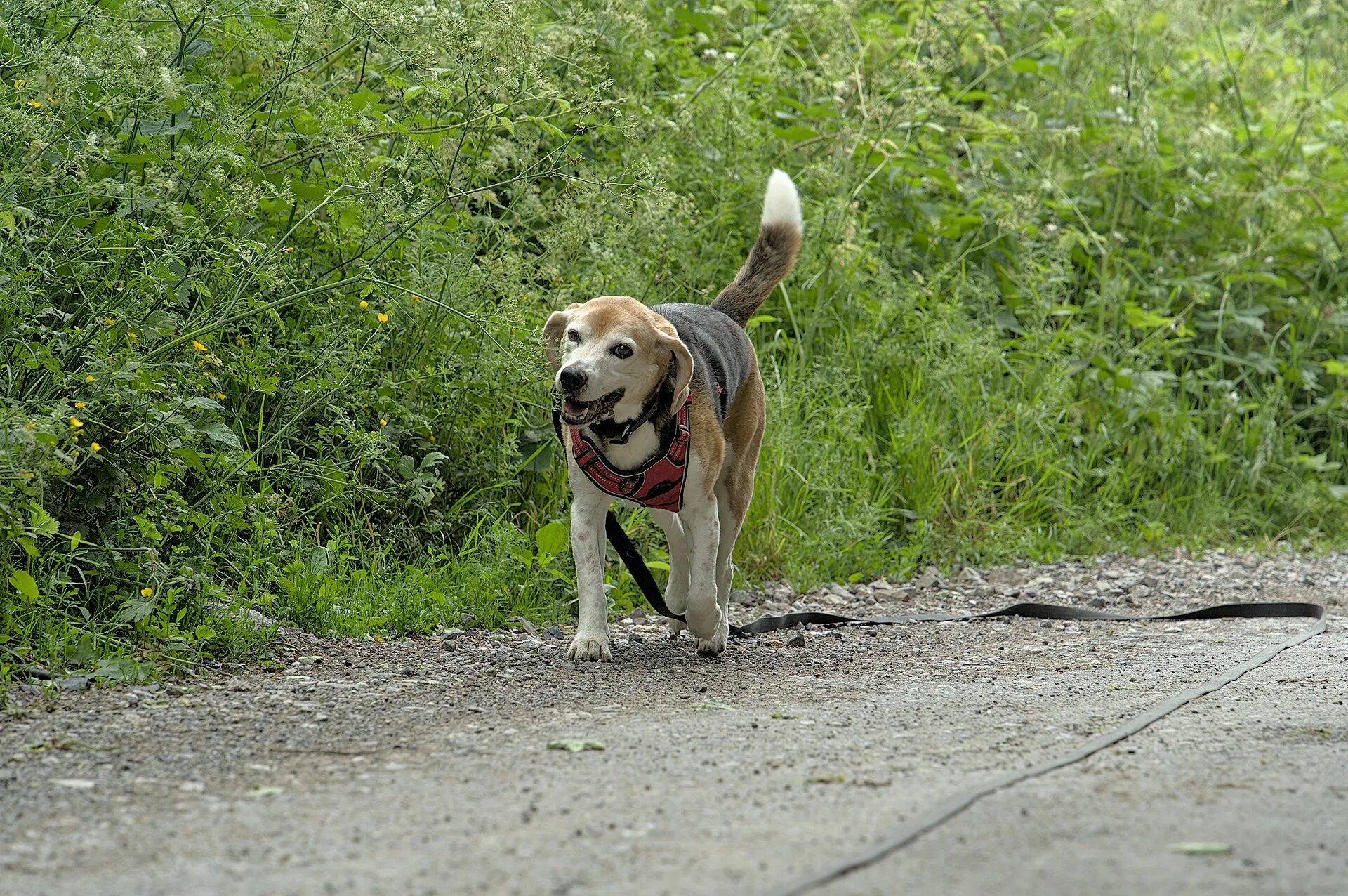
Collars put a lot of pressure on a small area. A 2020 lab study tested seven collars and a slip lead on a model dog neck fitted with a pressure sensor. Researchers applied a firm pull (40 newtons, roughly the weight of 4 kg or 9 lb), a strong pull (70 N, about 7 kg or 16 lb) and a jerk (an average of 141 N, about 14 kg or 32 lb). The collars produced between 83 and 832 kPa on the neck, depending on collar type and force. The authors concluded that no collar tested kept pressure low enough to rule out injury when a dog pulls. It was a model, not a real dog, but the physics doesn’t flatter collars.
Collars raise pressure inside the eyes; harnesses don’t. A 2006 study of 26 dogs (51 eyes) found eye pressure rose significantly when pressure was applied through a collar but not through a harness. The authors recommended harnesses for dogs with glaucoma, thin corneas or any condition where raised eye pressure could do harm. A 2025 study of 24 dogs found that exercising in a collar raised eye pressure in both flat-faced and long-nosed dogs, while exercising in a harness did not. In flat-faced dogs, simply wearing a collar while standing still raised it. If you share your life with a Pug or a French Bulldog, that’s one more reason to clip the lead to a harness.
Back-clip harnesses may make pulling more comfortable. A 2021 study of 52 shelter dogs measured how hard they pulled towards a food treat or a toy. With food, maximum and average tension and time spent pulling were all higher on a back-connection harness than on a collar. There was no difference in signs of stress between the two. A harness doesn’t stop pulling. It just makes it hurt less.
Harness shape matters for movement. A small treadmill study of nine dogs found both harness types tested reduced shoulder extension compared with no harness. Surprisingly, the “non-restrictive” design reduced it slightly more than the “restrictive” one, by 2.6° at a walk and 4.4° at a trot. Nine dogs is a small sample, but the lesson is that fit matters more than marketing labels.
Putting it together
A 2025 review of 21 studies, by Cavalli and Protopopova, offers the most practical summary so far:
| Equipment | What the review suggests |
|---|---|
| Non-tightening front-clip harness | Best balance between comfort and reducing pulling, for dogs that pull |
| Back-clip harness (chest-strap or Y-shaped) | Suitable for flat-faced breeds, or dogs that don’t pull |
| Flat collar | Fine for dogs that don’t pull; causes the least restriction of the body |
| Tightening harnesses, martingale collars, head collars | Can cause more discomfort; use with caution |
| Choke, prong and electric collars | Generally discouraged on welfare grounds |
Dogs Trust’s kit list lines up with this. It suggests a Y-shaped, fixed harness, ideally with front and back attachment points and a double-ended lead, plus a flat, fixed-length lead. It advises against “no pull” products that work by causing discomfort, and against flexi or bungee leads during training.
Whatever you buy, Dogs Trust says to get your dog used to the harness gradually and positively before the first walk. And equipment alone won’t fix pulling. The charity is clear that gear is not a solution to unwanted behaviour on its own.
What not to do
The American Veterinary Society of Animal Behavior (AVSAB) says trainers should avoid tools that work through pain, naming choke chains, prong collars and electronic shock collars, as well as lead jerking and other physical corrections. Its 2021 position statement cites studies finding dogs trained with aversive methods showed more stress behaviours. One 2020 study found higher rises in the stress hormone cortisol and a more “pessimistic” outlook in testing. Another found that e-collar training was no more effective than reward-based training, even with experienced trainers.
AVSAB also notes that dogs trained with aversive methods kept showing stress behaviours when a cue was given, which suggests the cue itself had become unpleasant. A walk shouldn’t start to feel like that.
A step-by-step plan for loose-lead walking
This plan follows the method Dogs Trust sets out, with a few practical additions. Use small, soft, tasty treats and keep them in a pouch so you can reward fast.
Stage 1: Make your side the best place to be (indoors)
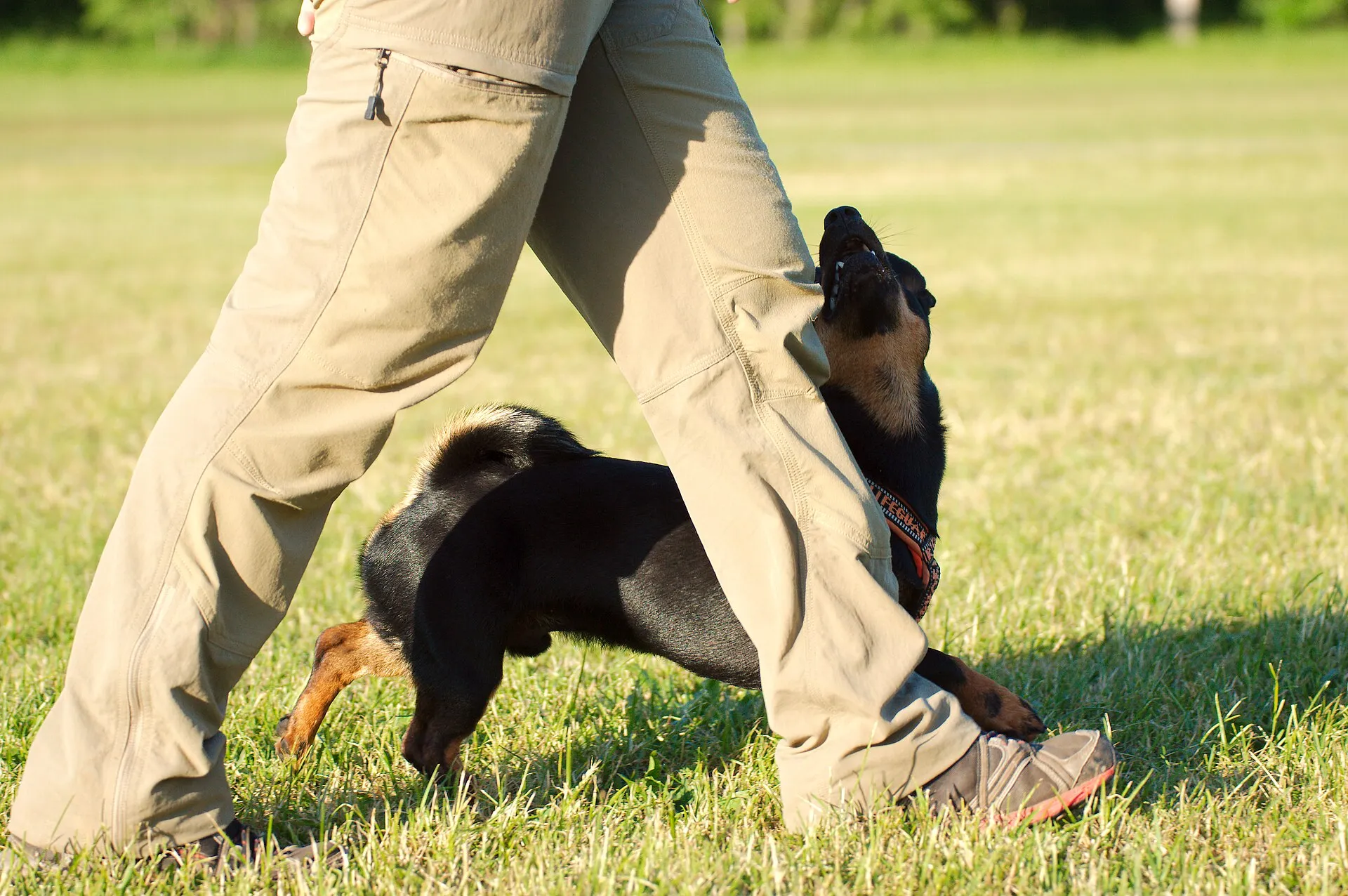
Start somewhere boring, such as the hallway, kitchen or garden. Reward your dog every time they stand or sit next to your leg. Pick one side and deliver treats right beside that leg, low down, so your dog doesn’t have to swing in front of you to collect.
Dogs Trust suggests practising this without the lead at first. When your dog follows you around the room to stay near your leg, you’ve got the foundation.
Stage 2: Add the lead and a few steps
Clip the lead on and walk a few steps, rewarding every step or two that your dog is beside you with the lead slack. At first you may need to hold a treat near your leg to guide them. Fade that out quickly so the treat comes after the good position, not before it.
Then gradually stretch the gap between rewards. Change direction now and then so your dog learns to keep an eye on where you’re going.
Stage 3: Be a tree when the lead goes tight
This is the rule that does most of the work. The moment the lead tightens, stop, stand still and stay quiet. Don’t jerk the lead or tell your dog off. The instant the lead goes slack, because your dog glances back or takes a step towards you, mark it (“yes”) and move on.
If they don’t turn back, Dogs Trust suggests taking a couple of steps in the opposite direction to get their attention. Then reward them for catching up beside you.
Early walks will be slow and stop-start. That’s normal. The point is that pulling now gets your dog nowhere.
Stage 4: Take it outside, carefully
Pick quiet routes and quiet times at first. Build in distractions gradually, and if your dog struggles, go back to a stage they found easy. Dogs Trust’s advice is to go at your dog’s pace, always.
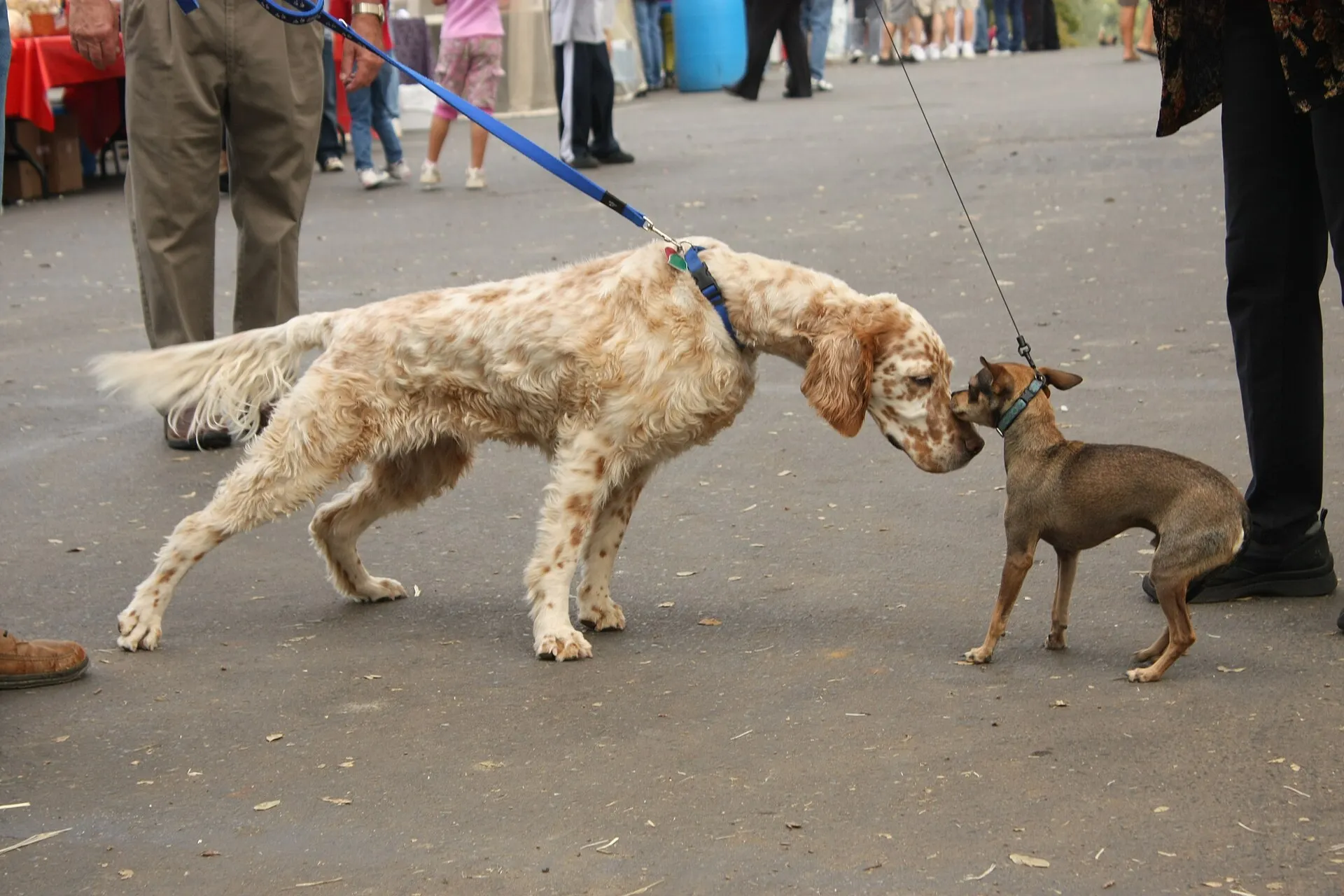
Dogs Trust also suggests some cues that help on real-world walks:
- “Check in”: reward your dog for looking at you when they notice something interesting. If they can’t look away from it, you’re too close.
- “This way”: a cheerful cue to turn and walk away from something, rewarded when they follow.
- “Find it”: scatter a few treats on the ground to help your dog settle after something exciting.
- “Not today”: a signal that they can’t greet this dog or person, followed by walking on.
Stage 5: Be consistent, or use two harnesses
Every walk on which pulling works teaches your dog that pulling sometimes works, and that is enough to keep a dog trying. Dogs Trust recommends training on every outing.
If that’s not realistic, say on rushed school-run mornings, it suggests a trick: use one harness for “pulling allowed” walks and different equipment for training walks, so your dog learns the difference. It warns this may slow progress.
Help, my dog still pulls
- Shorten the walk, not the training. A 15-minute walk with good manners beats an hour of being towed. Make up the exercise with sniffing games, fetch in the garden or off-lead running somewhere safe. Our guide to how much exercise a dog needs has breed-by-breed pointers.
- Raise the pay. Kibble rarely beats a squirrel. Try chicken, cheese or whatever your dog values most, and count it in their daily food.
- Reduce the competition. Walk at quieter times and cross the road early, before your dog fixates.
- Get help. A qualified, reward-based trainer or behaviourist can watch your walks and spot what you can’t. AVSAB suggests avoiding anyone who talks about being “alpha” or “pack leader”.
The bottom line
Dogs pull because pulling gets them where they want to go, so the fix is to make a slack lead the only thing that moves the walk forward, and to pay well for walking beside you. While your dog learns, use a well-fitted, non-tightening harness, ideally front-clip, rather than letting them strain against a collar. Avoid equipment that works by hurting. Progress comes from short, frequent, consistent sessions, not from the perfect gadget.
Questions owners ask
Is a harness or a collar better for a dog that pulls?
For a dog that pulls, the current evidence favours a non-tightening harness, ideally with a front clip. Collars concentrate pressure on the neck and have been shown to raise pressure in the eyes when dogs pull, while harnesses spread the load across the chest.
Do harnesses make dogs pull more?
Possibly a back-clip one, a little. In one study of 52 shelter dogs, leash tension was higher on a back-clip harness than on a collar when food was on offer. A harness doesn't teach pulling, but it can make pulling more comfortable, so pair it with training.
How long does it take to stop a dog pulling?
There's no fixed timetable, and it depends on how long your dog has been rewarded for pulling and how exciting your walks are. Expect slower walks for several weeks of consistent practice, and remember that every walk where pulling works sets you back a little.
Are head collars cruel?
Not inherently, but a 2025 review found head collars can cause more discomfort than other options and advised using them with caution. If you use one, introduce it slowly with treats and never jerk the lead.
Should I use an extending lead for training?
Dogs Trust advises against flexi and bungee leads for lead training because the constant tension confuses the message that a slack lead is what earns forward movement. A flat, fixed-length lead is easier to train with.
Sources
- Cavalli and Protopopova (2025): Review of Collars, Harnesses, and Head Collars for Walking Dogs, Animals
- Townsend, Dixon and Buckley (2022): Lead pulling as a welfare concern in pet dogs, Veterinary Record
- Carter, McNally and Roshier (2020): Canine collars, an investigation of collar type and the forces applied to a simulated neck model, Veterinary Record
- Shih et al. (2020): Behavioural Evaluation of a Leash Tension Meter, Animals
- Pauli et al. (2006): Effects of neck pressure by a collar or harness on intraocular pressure in dogs, JAAHA
- Bailey, Packer and Wills (2025): Effect of a Collar and Harness on Intraocular Pressure and Respiration Rate of Brachycephalic and Dolichocephalic Dogs
- Shih et al. (2021): Dog Pulling on the Leash, Effects of Restraint by a Neck Collar vs. a Chest Harness, Frontiers in Veterinary Science
- Lafuente, Provis and Schmalz (2019): Effects of restrictive and non-restrictive harnesses on shoulder extension in dogs, Veterinary Record
- AVSAB: Position Statement on Humane Dog Training (2021)
- Dogs Trust: Teach your dog to walk nicely on a lead
- Dogs Trust: Dog walking problems, pulling on lead and how to help
This guide is general information, not a substitute for advice from a vet who has examined your dog. Every claim is checked against the sources above. How we research and fact-check. Spotted an error? Tell us.