The short answer
- See a vet for any suspected ear infection, and the same day if your dog has a head tilt, loses balance or seems deaf.
- Don't put drops, oils or home remedies in a sore ear until a vet has checked the eardrum is intact.
- Finish the full course of ear medication and go back for the recheck, even if the ear looks fine after a few days.
- Clean ears only as often as your vet advises, with a dog ear cleaner, and never push cotton buds down the canal.
- Ask your vet to look for an underlying cause, usually allergy, if your dog has had more than two or three ear infections.
Most ear infections in dogs are infections of the outer ear canal, called otitis externa, and they usually start with something else: an allergy, a floppy or hairy ear that traps warmth and moisture, ear mites, or a grass seed. Once the canal is inflamed, yeast and bacteria that normally live there in small numbers multiply. Treatment needs a vet to find out which organisms are involved and why, and the best prevention is fixing that underlying cause rather than cleaning harder.
It’s one of the most common reasons dogs see a vet. A Royal Veterinary College VetCompass study of 22,333 UK dogs found 7.3% were diagnosed with otitis externa in a single year (2016).
Signs your dog has an ear infection
PDSA, the UK veterinary charity, lists the usual signs:
- Head shaking, or rubbing the head and face along the floor or furniture
- Scratching at the ear, or pain when it’s touched
- Redness, swelling or heat in the ear
- A smell, and brown, yellow or pus-like discharge
- Crusts or scabs on the ear and side of the face
- A swollen, squashy ear flap, called an aural haematoma
A head tilt, loss of balance, walking in circles, vomiting or partial deafness suggest the infection has reached the middle or inner ear. That needs a vet the same day.
See a vet now if:
- Your dog has a head tilt, is losing its balance, circling or falling over
- Your dog seems suddenly deaf, or one side of the face is drooping
- The ear is very painful, and your dog cries or snaps when you go near it
- The ear flap has swollen up like a cushion
- There’s blood or thick pus coming from the ear
- You saw a grass seed go in, or your dog started shaking its head violently after a walk
Why dogs get ear infections
The MSD Veterinary Manual sorts the causes into four layers. Thinking this way explains why some dogs get one infection and others get twenty.
Primary causes start disease in a normal ear: allergies (to food or the environment), ear mites, grass seeds and other foreign bodies, immune-mediated disease and hormonal (endocrine) disorders. VCA Animal Hospitals notes that underlying allergies are involved in up to 43% of cases, and that an underactive thyroid can contribute to repeat infections.
Secondary causes take hold once the ear is already inflamed. These are mainly Malassezia yeast and bacteria such as staphylococci, streptococci and Pseudomonas, along with reactions to medication and over-cleaning.
Predisposing factors are there before any infection starts: ear shape, hairy canals, moisture from swimming or bathing, narrow canals and growths.
Perpetuating factors develop because of long-term inflammation: thickened, narrowed canals, overactive wax glands and a damaged eardrum. These are what turn an ordinary infection into a chronic one.
Pseudomonas deserves a special mention. The MSD manual notes it’s particularly hard to treat because it can form a protective biofilm.
Breeds most at risk
The VetCompass study found breed and ear carriage were the strongest risk factors.
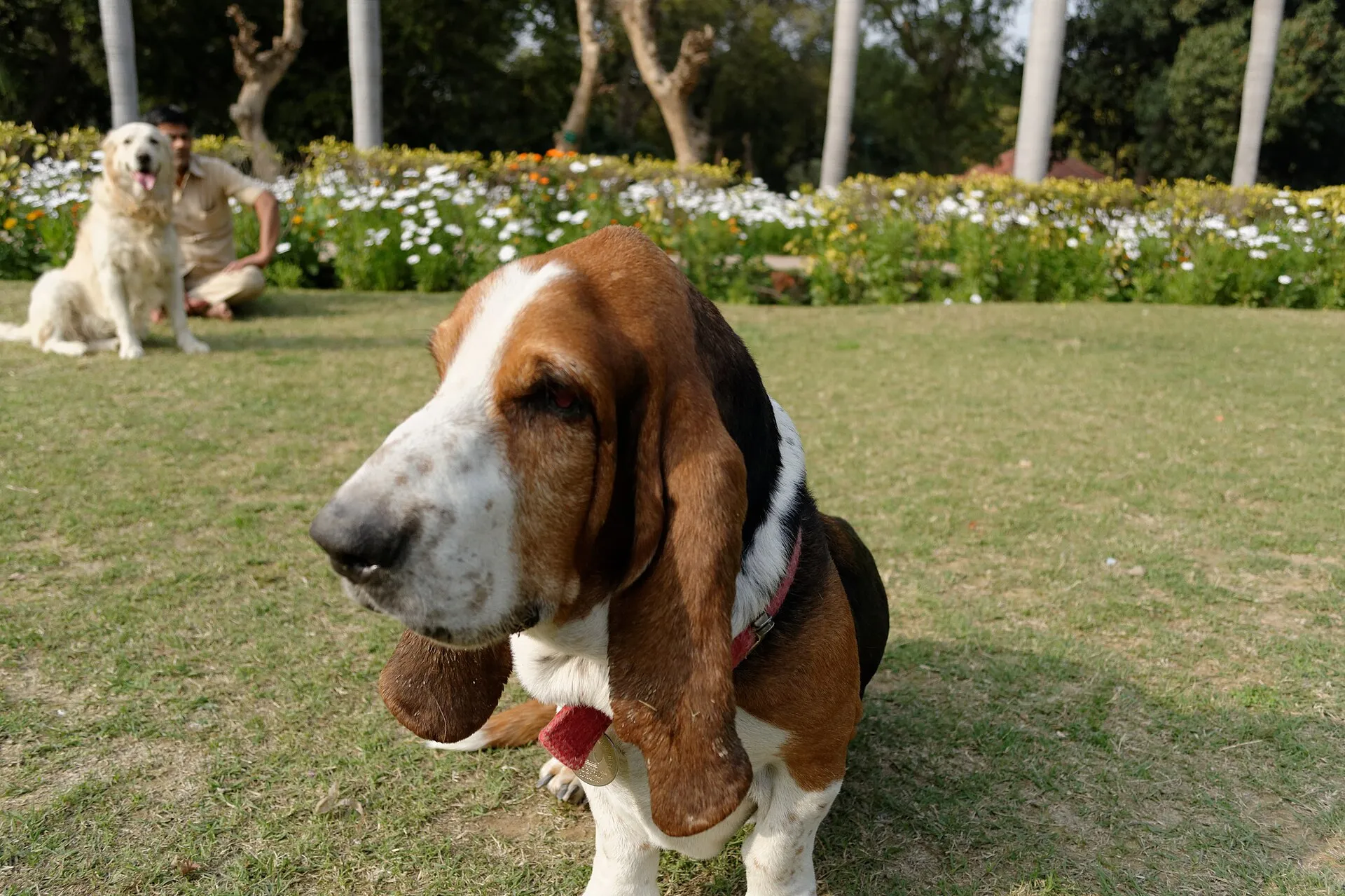
Compared with crossbreds, the breeds with the highest odds of otitis externa were:
| Breed | Odds compared with crossbreds |
|---|---|
| Basset Hound | 5.87 times |
| Chinese Shar Pei | 3.44 times |
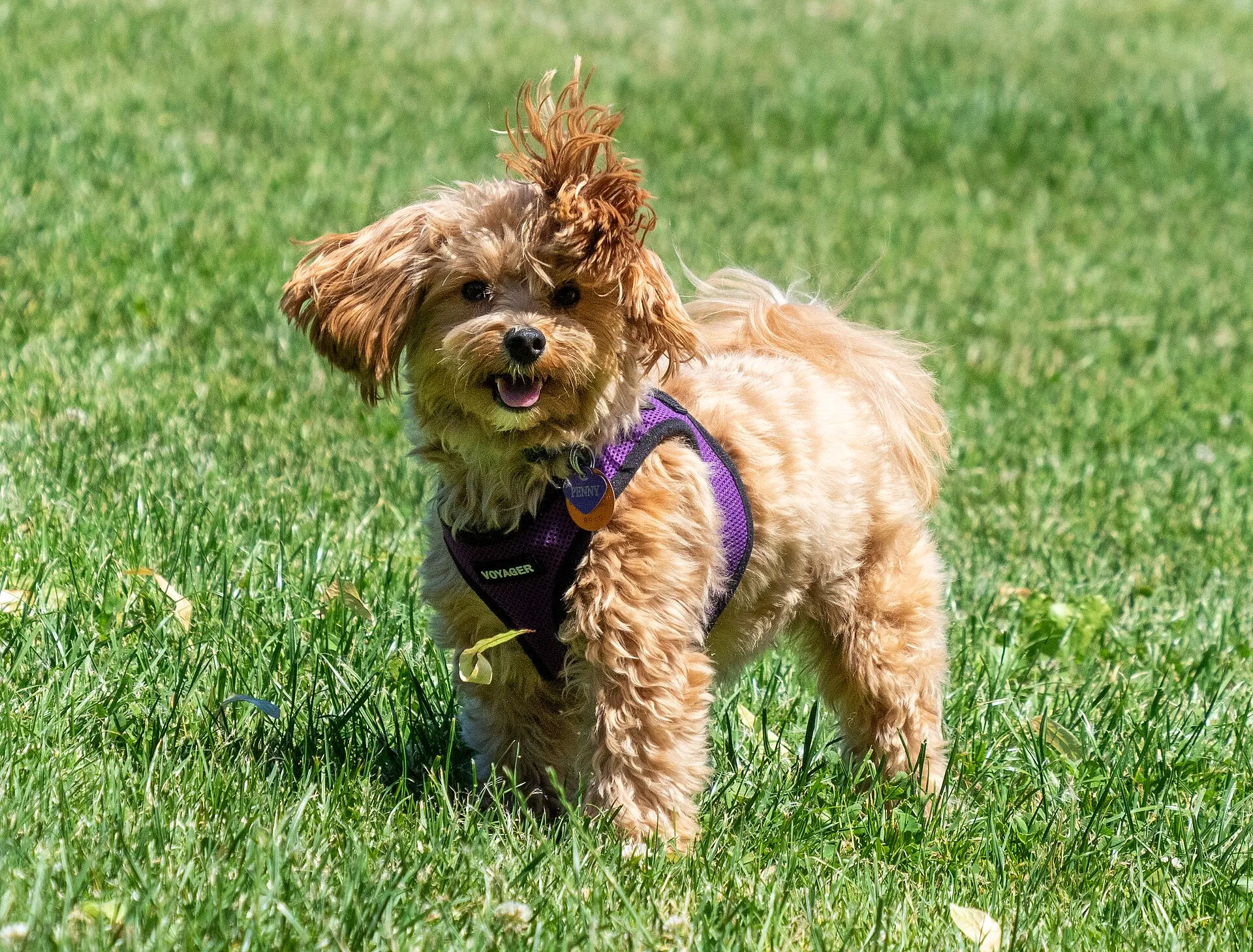
| Labradoodle | 2.95 times |
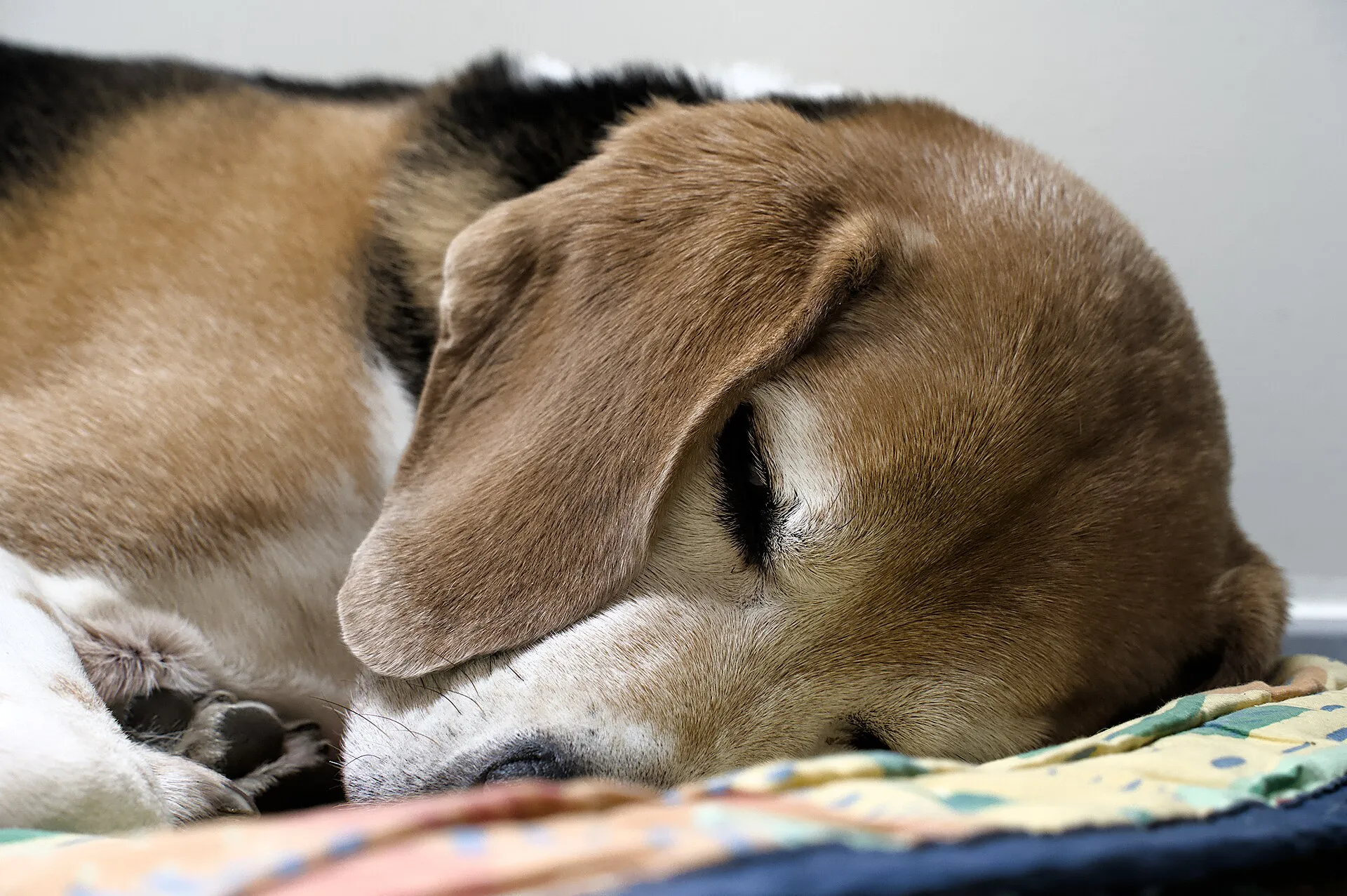
| Beagle | 2.54 times |
| Golden Retriever | 2.23 times |
Dogs with pendulous ears had 1.76 times the odds of dogs with upright ears, and those with V-shaped drop ears 1.84 times. “Designer” crossbreeds as a group had 1.63 times the odds of other crossbreds.
Upright ears don’t make a dog immune. A separate VetCompass study found French Bulldogs, with their tall bat ears, had 14.4 times the odds of ear discharge of other breeds. The study didn’t separate out causes, but Frenchies also have high rates of skin disease. At the other end, Chihuahuas (0.20), Border Collies (0.34), Yorkshire Terriers (0.49) and Jack Russell Terriers (0.52) had lower odds than crossbreds.
How vets diagnose and treat ear infections
Diagnosis is based on the dog’s history, a look down the canal with an otoscope and cytology, according to the MSD manual. Cytology means rolling a swab of discharge onto a slide and looking at it under a microscope to see whether yeast, cocci or rod-shaped bacteria are present. For severe or repeated infections, VCA says your vet may send a sample for culture to find out which antibiotics will work. A very sore ear may need sedation before it can be examined or flushed.
Treatment usually involves:
- Medicated ear drops combining antibiotic, antifungal and anti-inflammatory ingredients
- Ear cleaning to remove discharge so the drops can reach the skin
- Pain relief, and sometimes tablets for severe infections
- Treating the cause, such as allergy management or thyroid medication
Treatment can last from 7–10 days to several months, the MSD manual says. It recommends repeating cytology every one to two weeks until no infection is seen, which is why rechecks matter even when the ear looks better. PDSA stresses finishing the whole course of drops: stopping early is a common reason infections come back.
How to clean your dog’s ears safely
Healthy ears in many dogs need little or no cleaning. Over-cleaning is itself a cause of ear problems, according to both the MSD manual and the AKC. If your vet recommends cleaning, VCA Animal Hospitals suggests this method:
- Get your dog comfortable. Sit a large dog with its rear in a corner, a medium dog between your legs, and a small dog on your lap.
- Lift the ear flap gently straight up.
- Fill the canal with cleaner. Keep the bottle tip off the ear; wipe it if it touches.
- Massage the base of the ear for about 30 seconds.
- Let your dog shake its head. This brings loosened debris up.
- Wipe away what comes out with cotton wool or gauze, only as far as your finger reaches.
- Praise and reward, then do the other ear.
A few rules worth keeping:
- Never use cotton buds in the canal. VCA and PDSA both warn they can damage the canal or eardrum and push debris deeper. The dog’s ear canal is L-shaped, the AKC notes, so what you can see is only the start of it.
- Skip hydrogen peroxide and alcohol. VCA says they can irritate the canal.
- Ask before cleaning a red, sore ear. If the eardrum has burst, some cleaners can cause harm, and the MSD manual notes certain ingredients shouldn’t be used at all if the eardrum is ruptured.
- Clean before medicating, and ask your vet how long to wait between the two.
The MSD manual describes cleaning schedules for treatment that range from daily for ears with heavy discharge to two or three times a week for waxy ears, often tapering to once or twice a week for maintenance. Follow your own vet’s plan.
When an ear infection becomes chronic
PDSA advises telling your vet if your dog has regular ear infections or has had more than two or three in its life. At that point the question shifts from “what’s in the ear?” to “why does it keep happening?”
Long-term inflammation thickens the skin and narrows the canal, VCA explains, so medication can’t reach the deeper parts. Infection can rupture the eardrum and spread to the middle ear, with a risk of permanent hearing loss. When medical treatment stops working, surgery may be needed: either opening up the vertical canal (lateral ear resection) or removing the canal entirely (total ear canal ablation), which can leave the dog with permanent hearing loss on that side.
If your dog is itchy elsewhere too, licking paws, chewing feet or rubbing its face, allergy is the likely driver. Our guide to itchy dogs and skin allergies covers how vets investigate it, including the 8–12 week elimination diets the AKC describes for suspected food allergy.
Preventing ear infections
Prevention is mostly about taking away what yeast and bacteria need, which is warmth, moisture and already inflamed skin.
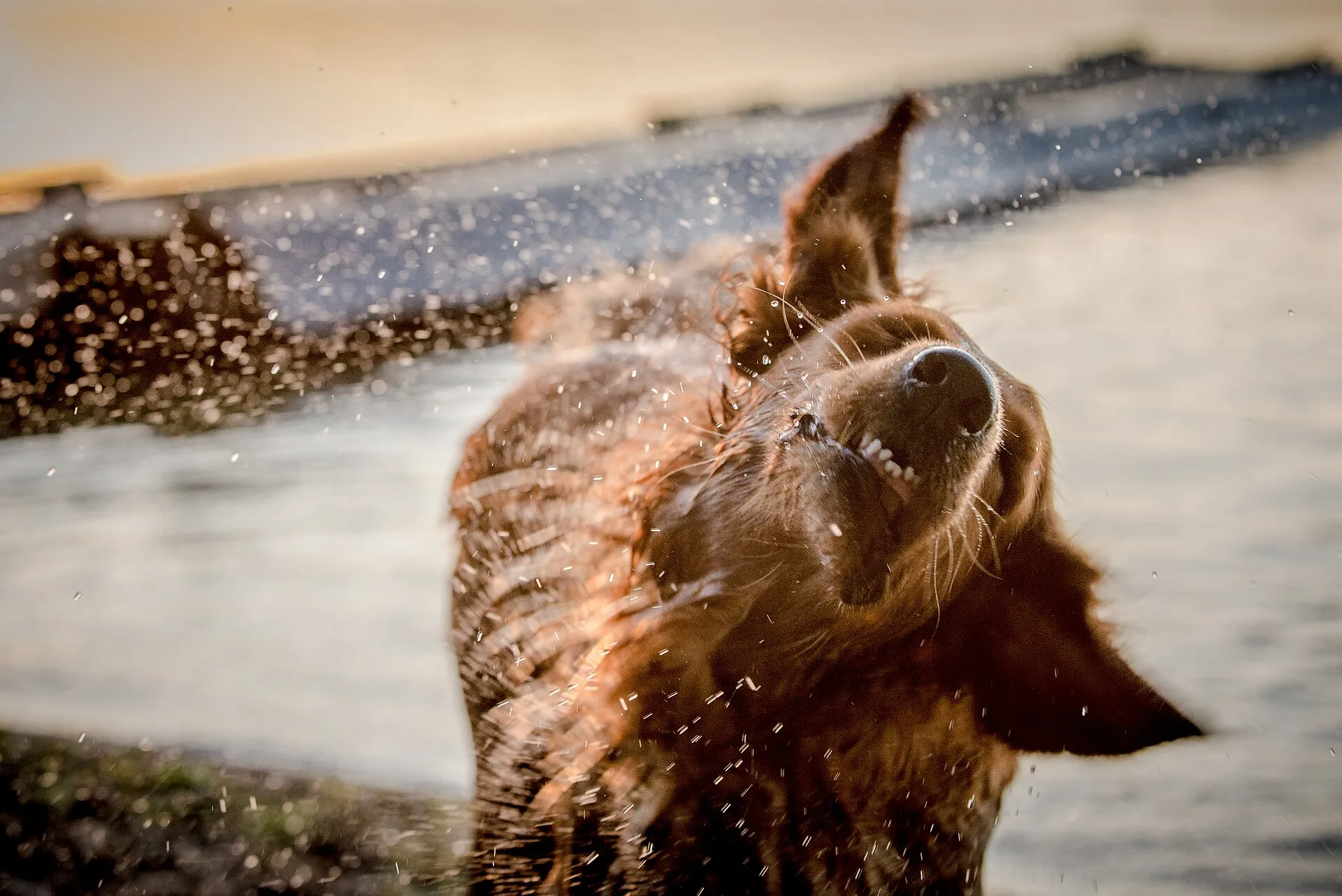
- Dry ears after swimming and baths. Moisture is a classic predisposing factor.
- Check ears regularly, especially their smell. A change is often the first sign.
- Keep hair at the canal opening trimmed, but ask your vet before plucking; PDSA advises vet advice first.
- Use vet-approved parasite control that covers ear mites.
- Manage allergies properly, since they sit behind so many repeat infections.
- Go back for rechecks until your vet confirms the infection has cleared.
What ear treatment costs
Costs vary hugely by country, clinic and how deep the infection goes. As published examples:
- UK general practice: the Royal Veterinary College charges £60 for a standard consultation and £59.48 for ear swab cytology (fees from August 2026), before medication.
- UK referral surgery: Langford Vets at the University of Bristol lists total ear canal ablation with bulla osteotomy at £3,900 for one ear without CT, £4,700 with CT, and £5,600–£6,500 for both ears in one operation (prices at April 2025).
- US: Trupanion’s 2022–2024 claims data for flat-faced breeds puts ear infection claims at around $100–$200 a year, though a chronic case needing referral surgery will cost far more.
For Australia, Canada and elsewhere, ask your vet for a written estimate. A dog that’s prone to ear problems is one reason to look at pet insurance early, before the first infection is on its record.
The bottom line
An ear infection is rarely just an ear infection: there’s usually an allergy, an ear shape or a foreign body behind it. Get a vet to swab and examine the ear, finish every course of treatment and go back for the recheck. Clean only when and how your vet advises, without cotton buds or peroxide. If infections keep coming back, push for the underlying cause, because that’s what stops the cycle before the canal narrows for good.
Questions owners ask
Can a dog ear infection go away on its own?
Rarely, and waiting risks it spreading deeper or becoming chronic. Ear infections are painful, and most need a vet to identify whether yeast, bacteria or mites are involved and to choose the right medication.
Can I use hydrogen peroxide or vinegar to clean my dog's ears?
It's best not to. VCA Animal Hospitals advises against hydrogen peroxide and alcohol-based cleaners because they can irritate the ear canal, especially if it's inflamed or ulcerated. Use a dog ear cleaner your vet recommends.
Why does my dog keep getting ear infections?
Repeated infections usually mean an underlying problem hasn't been fixed. Allergies are the most common, but hormonal disease such as an underactive thyroid, growths, narrowed ear canals or stopping treatment too early can also be behind it.
How long does a dog ear infection take to clear?
The MSD Veterinary Manual says treatment can last anywhere from 7–10 days to several months, depending on the cause. Your vet will usually recheck the ear, often with a repeat swab, before saying it has cleared.
Are ear infections in dogs contagious?
Yeast and bacterial ear infections usually come from the dog's own ear, after something else has inflamed it, so they aren't generally caught from other dogs. Ear mites are the exception, so if mites are found, ask your vet whether other pets in the house need treating.
Sources
- MSD/Merck Veterinary Manual: Otitis externa in animals
- O'Neill et al. (2021): Frequency and predisposing factors for canine otitis externa in the UK, Canine Medicine and Genetics
- PDSA: Ear infections in dogs
- VCA Animal Hospitals: Ear infections in dogs
- VCA Animal Hospitals: Ear cleaning in dogs
- American Kennel Club: Dog ear infections (updated August 2026)
- MSD/Merck Veterinary Manual (owner edition): Disorders of the outer ear in dogs
- O'Neill et al. (2021): French Bulldogs differ to other dogs in the UK in propensity for many common disorders, Canine Medicine and Genetics
- Royal Veterinary College: General practice fees (from August 2026)
- Langford Vets (University of Bristol): Soft tissue surgery fixed price procedures (April 2025)
- Trupanion: Can brachycephalic dogs and cats get pet insurance? (July 2024)
This guide is general information, not a substitute for advice from a vet who has examined your dog. Every claim is checked against the sources above. How we research and fact-check. Spotted an error? Tell us.